

Walk into a supermarket and you’ll probably find coffee selling for $10 to $20 per bag. Visit a specialty coffee roaster, however, and you may discover coffees priced at $40, $60 or even over $100.
The short answer: price in specialty coffee tracks rarity, yield and labour, not marketing. A $100 bag typically comes from a low-yield heirloom variety, a small hand-processed micro-lot, and a producer paid several times the commodity rate. None of those costs exist in a $15 supermarket blend.
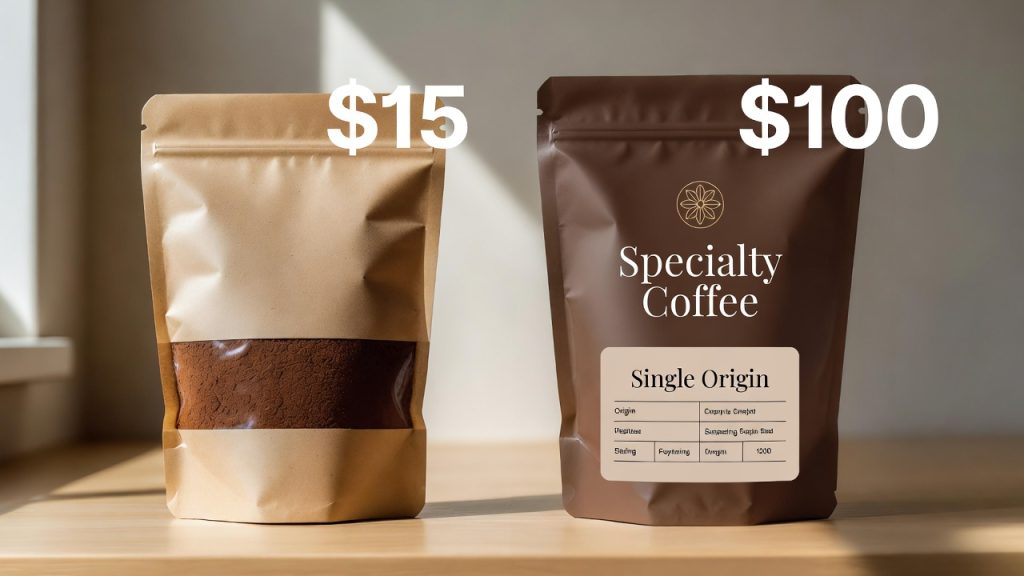
Just as an everyday table wine and a Grand Cru represent two very different products, coffee exists across an enormous spectrum of quality, rarity and craftsmanship. The price on the bag often reflects years of work that began thousands of kilometres away, on a farm.
One roaster whose catalogue illustrates this spectrum particularly well is 94 Celcius, a Montreal-area roastery that has built long-term relationships with several of the producers behind the world’s most talked-about lots. We’ll return to its approach a few times in this piece, because it maps cleanly onto every factor below.
Why Specialty Coffee Is One of the Most Complex Agricultural Products
Coffee isn’t manufactured. It’s grown.
Every harvest is shaped by altitude, rainfall, soil composition, climate, shade, harvest timing and hundreds of decisions made by the producer. A single unexpected rainstorm during drying can change the quality of an entire lot.
Unlike commodities that prioritize consistency above everything else, specialty coffee embraces these natural differences. Every harvest tells a slightly different story.
Rare Coffee Varieties & Why They Cost More
Not all coffee trees are created equal. Many of today’s most sought-after coffees come from varieties that naturally produce fewer cherries than commercial cultivars.
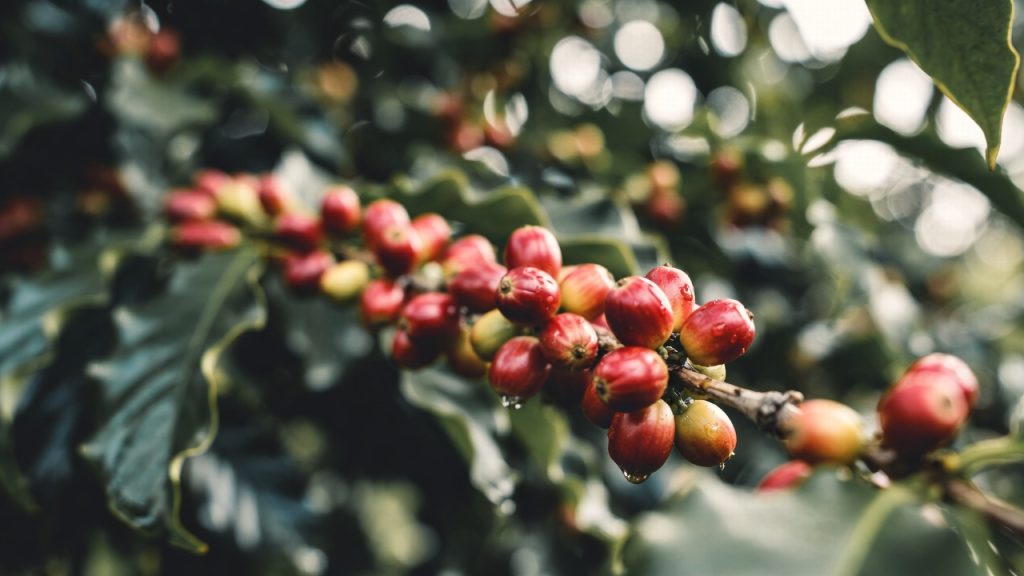
Among the most respected:
- Gesha
- Chiroso
- Sidra
- Pink Bourbon
- Eugenoides
- Sudan Rume
- Typica Mejorado
These varieties can produce extraordinary sweetness, floral aromatics and remarkable clarity in the cup. The trade-off is lower yields, greater risk and significantly more work for the producer. Growing them is often less profitable unless buyers are willing to pay for exceptional quality, which is exactly why roasters like 94 Celcius build entire seasonal collections around securing them.
How Top Producers Raise the Price of Specialty Coffee
Behind every memorable cup is a producer making thousands of small decisions. Leading producers such as Diego Bermúdez, Wilton Benítez, Sebastián Ramírez, Carolina Ramirez, Hachi and El Vergel have earned international recognition not because they discovered a shortcut, but because they invested years refining harvesting practices, fermentation protocols, drying techniques and quality control.
Many experimental lots never reach the market. Only the best become available to specialty roasters, and even fewer make it outside their home country. In Canada, 94 Celcius has sourced directly from several of these same names, giving Canadian buyers access to lots that might otherwise stay in the US or European market.
What Are Coffee Micro-Lots and Why Are They Expensive?
A coffee micro-lot is a small, separately processed batch of coffee—sometimes just a few bags—kept apart from a farm’s main harvest because of some distinguishing quality. Micro-lots can’t be scaled, so each one is priced closer to its actual cost of production.
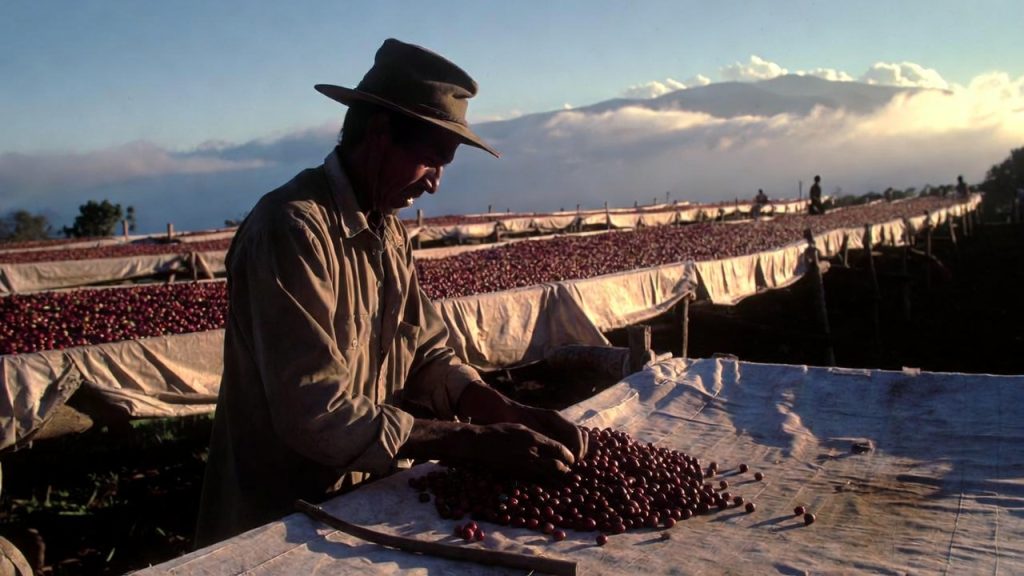
Large commercial coffee contracts can involve hundreds of tonnes. Specialty coffee works very differently. Many of the world’s most exciting coffees are sold as micro-lots. These lots cannot benefit from economies of scale. Every kilogram reflects careful harvesting, sorting, processing, storage and logistics, and once a lot sells out, it may never be available again.
Does Experimental Processing Make Coffee More Expensive?
Experimental processing has attracted enormous attention over the past decade. Techniques such as anaerobic fermentation, thermal shock, carbonic maceration and selected yeast fermentation have expanded the range of flavours coffee can express.
A common misconception is that expensive coffee is expensive simply because of exotic processing. In reality, many of the world’s highest-priced coffees are beautifully clean washed coffees. A perfectly grown, expertly processed washed Gesha from Panama can command a higher price than many experimental lots, simply because of its rarity, consistency and cup quality.
Processing can enhance an exceptional coffee. It cannot replace exceptional farming.
The Real Cost of Small-Batch Specialty Roasting
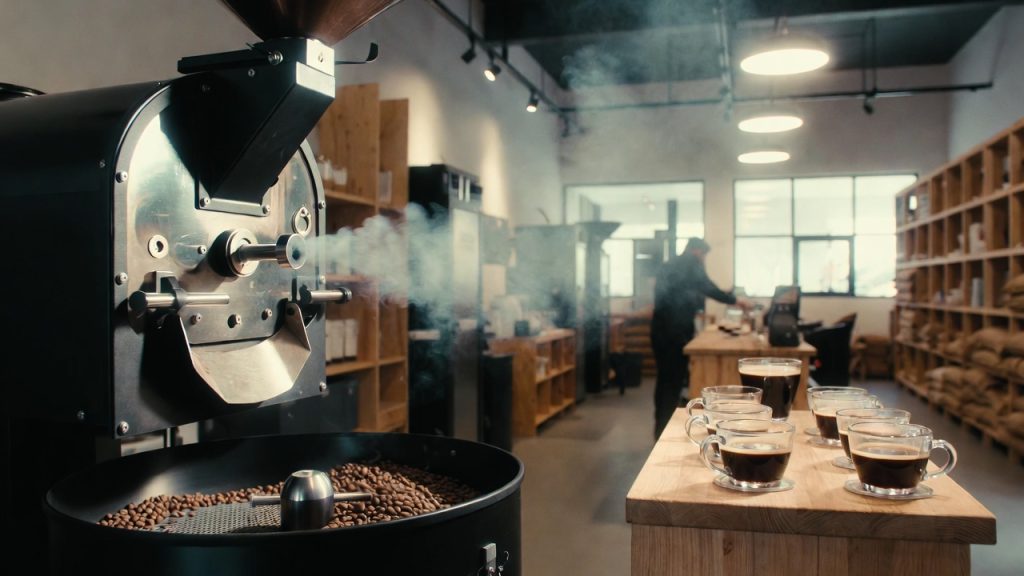
Specialty roasters rarely purchase coffee by the container. Instead, they buy carefully selected lots from producers they trust, evaluating each one through extensive cupping, sample roasting and profile development before it reaches a customer.
Roasting in small batches also requires far more labour and quality control than large-scale industrial production. Rather than chasing maximum efficiency, specialty roasters prioritize expressing the unique personality of each coffee.
How Leading Specialty Roasters Approach Sourcing Differently
Sourcing philosophy varies widely among leading specialty roasters.
In the United States, Black & White Coffee Roasters is known for showcasing innovative processing methods and competition-level coffees, while Sey Coffee has built its reputation on transparency, terroir and exceptionally light roast profiles that highlight origin.
In Europe, Manhattan Coffee Roasters regularly features coffees from award-winning producers, and Tim Wendelboe has become internationally respected for long-term producer relationships and relentless traceability.
Canada has its own thriving specialty scene. 94 Celcius, based in the Montreal area, has carried the same rotating cast of pioneering producers behind these international names, and its focus on named-producer traceability helped it reach the quarterfinals of Reviews Coffee’s Favorite Canadian Coffee Roaster tournament, the only Quebec roaster to get that far. It has also built one of the stronger reputations in the city on independent directories like Th3rdwave, and its founder currently sits on the board of Café Collectif, Quebec’s specialty coffee association.
What Makes Specialty Coffee Worth $100 a Bag?
The best specialty coffees aren’t expensive because they’re exclusive. They’re expensive because every stage of production requires extraordinary care.
When you buy a truly exceptional coffee, you’re paying for:
- Selective hand harvesting
- Lower-yield coffee varieties
- Higher producer compensation
- Careful processing and drying
- Small-batch roasting
- Complete traceability
- Fresh seasonal harvests
You’re also paying for something that can’t easily be reproduced. Once a harvest is gone, it’s gone.
Quick Comparison: What Drives the Price Difference
| Factor | Supermarket Blend ($10–$20) | Mid-Tier Specialty ($25–$45) | Rare Micro-Lot ($60–$100+) |
|---|---|---|---|
| Variety | High-yield commercial | Improved cultivars | Low-yield heirlooms (Gesha, etc.) |
| Lot Size | Large commercial contracts | Smaller lots | True micro-lots (few bags) |
| Producer Pay | Commodity rates | Above commodity | Several times commodity rate |
| Processing | Industrial / bulk | Careful washed or natural | Hand-sorted + specialised |
| Roasting | Large-scale industrial | Batch roasting | Small-batch, profile-specific |
Frequently Asked Questions
Is a $100 bag of coffee actually worth it?
If the price reflects a rare low-yield variety, a small traceable micro-lot and a producer paid well above commodity rates, yes—in the sense that you’re paying for scarcity and skill that a $15 bag can’t offer. It’s still a personal call based on how much you value that story and consistency in the cup.
What is a coffee micro-lot?
A micro-lot is a small, separately processed batch of coffee, sometimes just a few bags, kept apart from a farm’s main harvest because of some distinguishing quality. Micro-lots can’t be scaled, so each one is priced closer to its actual cost of production.
Why is Gesha coffee so expensive?
Gesha is a low-yield variety that produces fewer cherries per tree than commercial cultivars, but its cup is prized for floral aromatics and clarity. Limited supply combined with high demand from specialty buyers pushes prices well above standard washed coffees.
How much should I expect to pay for truly exceptional specialty coffee?
Most high-quality specialty coffees fall between $30 and $60 per 250–300 g bag. Coffees above $80–$100 are typically rare, low-yield varieties sold as true micro-lots with full traceability and elevated producer compensation.
Is expensive coffee always better than cheaper specialty coffee?
Not automatically. Price usually reflects scarcity, labour and producer payment rather than a simple quality ranking. A well-grown $35 washed coffee can outperform a poorly executed $90 experimental lot. Cup quality and personal preference remain the final measures.
Exploring Exceptional Coffee
One of the greatest pleasures of specialty coffee is discovering how different one origin, producer or harvest can taste from another.
For readers who want to explore rare varieties, award-winning producers and limited seasonal releases, 94 Celcius maintains a rotating micro-lot catalogue built around exactly this kind of sourcing: an elegant washed Gesha one season, a vibrant Chiroso or a meticulously processed Pink Bourbon the next.
The Real Value of Specialty Coffee
It’s easy to judge coffee by the price printed on the bag. What’s harder to see is the years of experimentation, thousands of hours of manual labour and countless quality decisions that made that coffee possible.
Great specialty coffee isn’t expensive because someone decided to charge more. It’s valuable because everyone involved, from the producer to the roaster, has put extraordinary effort into a cup that tells a story, reflects its origin, and offers an experience that simply can’t be mass-produced.
The next time you see a bag of coffee priced far above the supermarket shelf, remember: you’re not just buying roasted beans. You’re tasting the result of one of the world’s most remarkable agricultural crafts.


Leave a Reply