

The immune system is comprised of vast networks of white blood cells, proteins, and chemicals all of which work together around the clock to protect your body. It’s the very thing that helps you recover from serious illnesses while keeping you from getting sick after contact with disease-causing germs.
It’s common knowledge that people with weak immunity catch colds easily and take longer to heal from wounds. That being the case, it’s no surprise that one’s quality of life is directly connected to the health of one’s immune system. Here are eight tips for strengthening your immune system and in doing so, boosting your natural immunity. And believe it or not, coffee, is on this list.

The following tips are in no specific order. Because everyone’s physiology and current state of health is different, please be sure to consult your doctor for specific medical advice.
1. Exercise Daily

Exercise is like a wonder medication — minus the unwanted side effects. Moving your body and staying active strengthens your immunity in immeasurable ways. Some people find it challenging to fit a workout routine into their schedules because of their busy lifestyles. However, it’s important to prioritize time for exercising especially in an age when so many people remain sedentary for most of the day.
Physical activity can reduce your risk for several illnesses, including cardiovascular diseases. Whether it’s improving circulation of antibodies and white blood cells or reducing stress hormones, exercising is key to maintaining good overall physical and mental health.
Furthermore, engaging in physical activity promotes better sleep, which is crucial for immune system regulation and recovery.
Experts believe that the simple act of moving helps clear away bacteria from the lungs. Another theory is that antibodies and white blood cells change and circulate faster than usual, allowing them to detect and eliminate potential health problems. Whatever the case, exercise makes the body stronger, healthier and more energetic.
2. Get Adequate Sleep

People have varying circadian rhythms and responses to environmental cues like sunlight. Your biological clock is influenced by genetics, so it’s not the same as the person next to you. However, one thing remains universal — the significance of getting sufficient sleep.
Quality sleep and robust immunity go hand in hand. Have you noticed that when you’re sleep deprived, you feel weak and lack the energy to move your body? Studies reveal that people who get less than six or seven hours of sleep are more susceptible to the flu and the common cold.
Additionally, those with sleep troubles are five times more likely to experience mental health problems.
In contrast, getting at least eight hours of uninterrupted rest makes you feel more active and puts you in a better mood. One way to drastically improve your sleep is to avoid eating at least 2.5 hours before heading to bed. Lastly, you should avoid using digital gadgets before going to bed. Excessive screen time puts a significant strain on the eyes and brain and that’s the last thing you want to do as you enter sleep mode.
3. Eat More Vegetables

Remember when your mom would tell you to “eat your vegetables”? We’ll there was a good reason for that. A full plate of bell peppers, broccoli, cabbage and cauliflower will do wonders for your immune system as they’re all rich in immunity-boosting vitamin C.
Immune cells respond to infections by utilizing several micronutrients, including vitamin C, vitamin D, iron, selenium, zinc and protein. They are present in many plants, such as spinach, beans, potatoes and green peas. Therefore, you can fortify your immune system by selecting what you eat. Vegetables contain multiple vitamins and minerals needed to function and fight inflammation.
Men aged 19 to 59 should eat three to four cups of vegetables daily. This drops to 2 1/2 to 3 1/2 cups for 60 years and older. Include as many greens in your meals per serving to gain enough good stuff to build your immunity.
I know there are many people who don’t especially enjoy eating vegetables. One way to help incentivize yourself is to eat your veggies is seasoning them to taste. Get creative with seasonings, herbs, and spices to add flavor and make them more enticing. Try things like garlic, lemon zest, black pepper, or balsamic vinegar to make your veggies tastier. Roasting them with a bit of olive oil can bring out their natural sweetness and give them a appealing texture.
4. Enjoy Coffee

These magical dark brown beans are prized for their energizing effects. People drink coffee mainly to stay alert and awake, but not many know the world’s most popular beverage is also full of antioxidants and compounds that support the immune system.
Besides caffeine, coffee contains caffeic, chlorogenic, coumaric, ferulic and nicotinic acids, as well as trigonelline, cafestol and kahweol. These have antioxidant and anti-inflammatory properties that enhance the immune system.
Antioxidants are known as an elixir for many diseases, including cancer, diabetes and cardiovascular disorders. They remove free radicals that damage healthy cells and also improve mental health.
Ferulic acid is a type of polyphenol, a compound found in many plants with antioxidant and anti-inflammatory functions. One study found that it protects the digestive system against toxins and pathogens from contaminated food or water.
Nicotinic acid — also known as vitamin B3 or niacin — can suppress inflammation that causes several diseases. Niacin may also help lower the fat and cholesterol levels of those with Type 2 diabetes. People who eat niacin-rich foods have a minimal risk of cataracts and Alzheimer’s disease. Experts are further studying the positive effects of niacin on migraines, depression, alcohol dependence and attention-deficit/hyperactivity disorder (ADHD).

Cafestol and kahweol have anti-cancer, anti-diabetic and anti-inflammation effects and hepatoprotective agents that protect your liver. Chlorogenic acids are antioxidants that help regulate blood pressure and cholesterol levels and protect your liver and heart.
How many cups of lattes or cappuccinos should you drink daily? Experts recommend no more than 400 milligrams of caffeine for both men and women. This amounts to three to five cups of your favorite coffee daily.
Note: If you have a sensitive stomach or suffer from gastrointestinal issues, consider purchasing low acid coffee.
These health benefits will make you look at coffee as more than just a beverage to get you through the day. Some coffees are specifically grown and roasted for their antioxidant properties. These particularly healthy coffees will typically be single origin, organic, and shade-grown.
5. Add More Seafood
Beyond tasting good, seafood offers a multitude of health benefits that are critical for strengthening your immune system.
You can reduce your risk of dying from cardiovascular disease by 36% if you eat one to two 3-ounce servings of salmon, mackerel, herring, anchovies or sardines per week. These fishes have omega-3 fatty acids that benefit the body in many ways. They’re good for brain health and lower the incidence rates of stroke, Alzheimer’s disease, depression and other severe conditions.
Crabs are high in protein and experts recommend them as a superfood. Oysters, clams and mussels are rich in iron, which plays a significant role in building immunity. Shrimp, scallops and lobsters are loaded with iodine that activates the immune system. Halibut contains magnesium which supports immune cell development.
Lastly, seafood is a fantastic source of high-quality protein that aids in muscle development and repair.
6. Consume Fruits
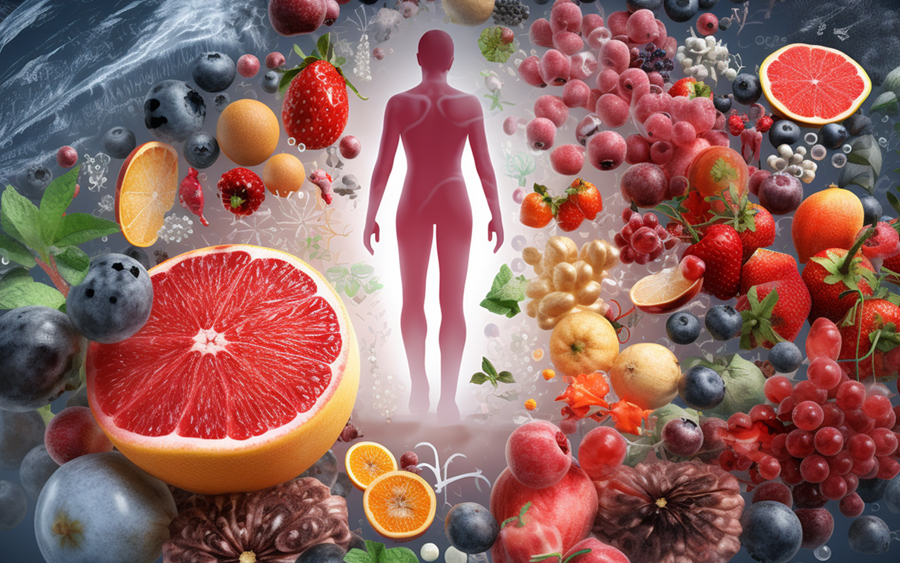
There’s a reason why eating an apple a day keeps the doctor away. It sounds cliché, but fruits are packed with vitamins and minerals, which are excellent sources for boosting immune functions.
There’s a reason many people immediately start eating oranges after catching a cold. A regular-sized orange that weighs 100 grams has 53.2 milligrams of vitamin C, more than half of the required 90 milligrams daily vitamin C intake for men. Eating two oranges a day is enough to achieve what the body needs in terms of daily vitamin C.
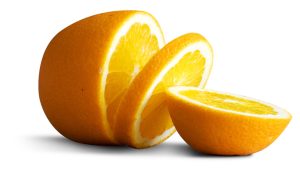
Oranges are multivitamins and contain iron, calcium, phosphorus, potassium and selenium — all vital for the immune system. Other equally beneficial fruits include grapefruit, blueberries, pears and apples.
Experts recommend adult men up to 59 years old eat 2 to 2 1/2 cups of fruits daily, while older people should consume 2 cups.
7. Quit Drinking and Smoking
The key to a strong immune system involves more than just adding things to your lifestyle that are beneficial. It’s also about cutting out the things that are detrimental to your health.
Drinking and smoking are lifestyle choices that dramatically affect the integrity of your immune system. Did you know that alcohol suppresses the immune system? Drinking five to six glasses in a single session halts the disease-fighting mechanism of your body for 24 hours. Coming in contact with bacteria or virus-causing disease during this time means the immune system can’t mount a proper response to eliminate these foreign organisms from the body.
It’s well-documented that smoking is associated with several serious conditions, like heart disease and cancer. The nicotine in cigarettes and tobacco has similar repressing effects as alcohol on your defenses, making you vulnerable to ailments.
Whether you smoke and drink occasionally or regularly, you should remove these negative habits from your life. They harm the immune system and make your body susceptible to various diseases.
Rehabilitation is the best recovery route for those dependent on alcohol or nicotine. The process can take several months to years, but it’s the healthiest choice for people with addiction.
8. Take Supplements
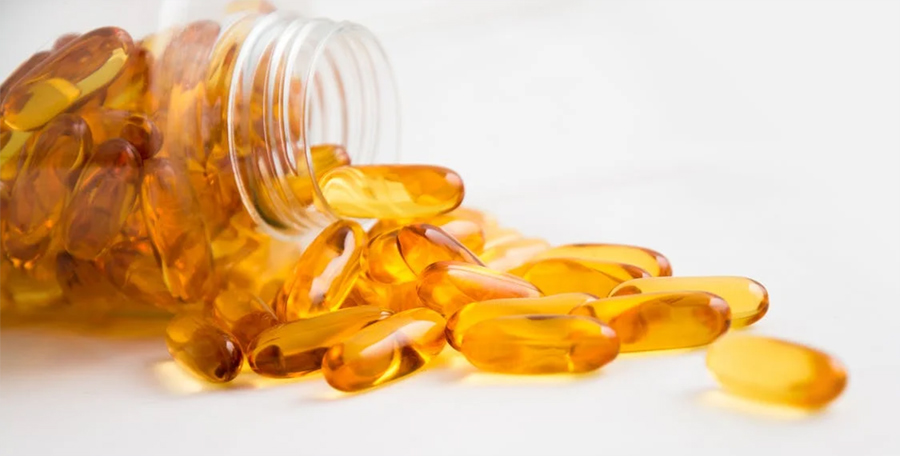
The body needs 14 vitamins and 16 minerals to maintain good nutrition. Unless your diet includes all these micronutrient profiles in three meals and you religiously follow it, you might need supplements. Before taking anything, consult your doctor for any vitamin or mineral deficiencies.
Nutrient-dense foods are the best sources of this good stuff, but it’s challenging to include everything on your diet and meet the needed daily intake. For example, you might be eating figs, broccoli and oranges, but their combined calcium content is insufficient to meet 1,000 to 1,200 milligrams of calcium needed for men. That’s why doctors suggest supplements for people who lack specific vitamins or minerals to improve their immunity.
Strengthening Your Immune System: Final Thoughts
A solid immune system combines good lifestyle habits and a healthy diet.
Make quality sleep and physical activities a permanent fixture in your routine. Nutrition-wise, eating more fruits, seafood and vegetables, drinking coffee and taking supplements can help you maintain an effective immune response to illnesses.
As you demonstrated by these tips for strengthening your immune system, everything is connected. Making improvements in your diet will have immediate effects on your sleep which in turn revitalize you with energy to exercise. And on it goes.
Your body is a gift, and and the responsibility of taking care of it squarely falls on your shoulders. When the body is given quality fuel and proper maintenance in the form of healthy foods, exercise, and good sleep, it will have what it needs to develop and maintain a strong immune system.


Leave a Reply