

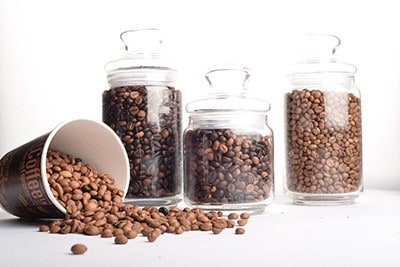
The taste that you get from a coffee bean results from several factors, including the region and altitude at which it is grown, the type of plant it comes from, and, very importantly, the way in which it is roasted. Knowing the differences between coffee roasts and why they occur can really help you get more out of your coffee experience and better calibrate your preferences. Here is an overview of how the roasting process affects the taste of your coffee.
At the end of the day, understanding coffee roasting doesn’t have to be rocket science. It’s chemistry.
Differences Between Coffee Roasts – Things to Keep in Mind:
- The longer a coffee is roasted, the less caffeine it generally contains. That’s because the caffeine breaks down during the roasting process.
- The longer a bean is roasted, the less its “natural” flavor will shine through and the more the dark, strong flavor that comes from the roasting process itself will emerge. For example, light roasts will express a coffee bean’s flavor profile in full where as a dark roast will tend to mask the bean’s natural flavor.
- The longer the bean is roasted, the more its oils come to the surface of the bean, giving it a shiny appearance.
- The longer a bean is roasted, the less acidic it becomes. In other words, lighter roasts are more acidic than dark roasts as a whole.
- Roasted beans are generally separated into three categories based on the duration and temperature of the roast: light, medium, and dark roast. Some roasters further fine tune these categories into light-medium and medium dark roasts as well.

The light roast is often the preferred choice for specialty coffee companies. This is because the light roast tends to preserve much of the fragrance, fruitiness, and floral notes of the bean, maintaining much of its regional flavor. As mentioned above, a light roast best preserves the bean’s acidity and has the highest caffeine content. When the bean reaches a roasting temperature of approximately 329 degrees Fahrenheit, it undergoes “first crack,” and the sound of its cracking can actually be heard. Lightly-roasted beans are heated to between 385 degrees (Cinnamon roast) and about 400 degrees (New England roast). Light City and Half City roasts also fall into this category. At this point in the roasting process, the beans appear light brown in color. Many breakfast blends are lightly roasted.
If you’re a fan of coffee pods and light roasts, check out our selection of the best light roast K Cups.
Best Light Roasts

Medium-roasted beans are heated to between 410 degrees (American roast) and 426 degrees (City roast). Beans at this stage appear medium brown in color, and retain much of their regional flavor while also developing additional, bold flavors due to roasting. Medium roasts are the most popular types of roasts in the United States.
Best Medium Roasts

Dark-roasted beans are heated to at least 435 degrees, at which point it cracks a second time (“second crack”) when the cellular structures inside the bean break down. The bean becomes dark brown to almost black in appearance, and a thin layer of oil begins to appear on the surface of the bean. Much of the regional flavor of the bean is eclipsed by the bold, bittersweet, and smoky flavor produced by the roasting process. Full city, New Orleans, Continental, Vienna, French, Italian, and Espresso roasts fall into this category. The deep, bold flavors evident in roasts of this class lend themselves to mixing with milk; that is why cappuccinos and lattes are generally produced by Espresso-roasted beans.
Best Dark Roasts:
As you can see, the differences between coffee roasts can result in huge variations in flavor. There’s a whole world of coffee roasting that can get really detailed, really fast. However, the above overview should provide you with a good foundation to start from. Use this information to help fine-tune your preferences and explore different brews. Cheers!


Leave a Reply