

For many coffee lovers, brewing that perfect cup of coffee is a lifelong pursuit. It’s one that’s as exciting as it is rewarding. Ultimately, brewing any cup of coffee boils down to a simple matter of chemistry. As such, every variable matters. So without going full “geek mode”, this article will cover the most common mistakes coffee lovers encounter when brewing their magical drink. We’ll navigate through these common pitfalls and provide valuable insights on how to avoid them, ensuring that every cup you brew is a delightful experience.
Over-Extraction: The Bitter Truth
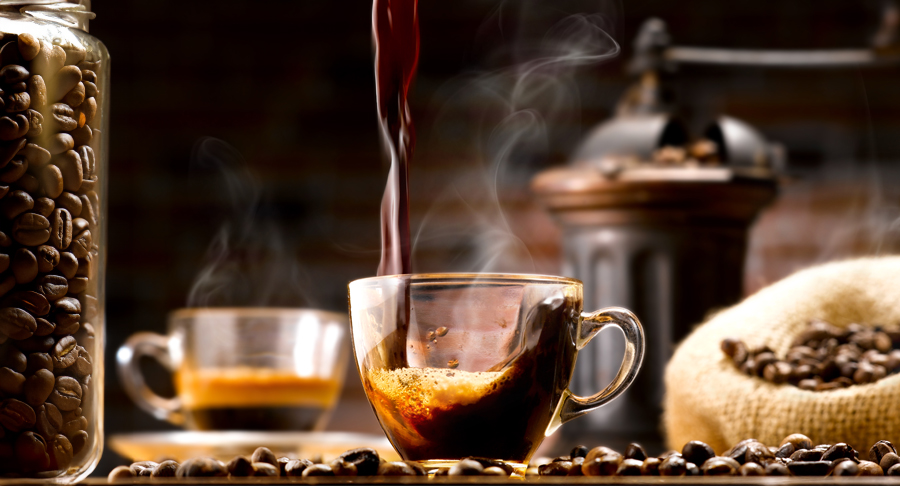
One of the most prevalent mistakes when brewing coffee is over-extraction.
What is over-extraction? It’s just a fancy way that means the coffee grounds are in contact with water for too long. This results in a bitter and unpleasant taste. To avoid this, it’s essential to carefully monitor the brewing time and ensure that it aligns with the recommended duration for your chosen brewing method. Every brewing method interacts with the coffee beans differently. For example, a French Press steeps the grinds where as a pour over method passes water slowly through the grinds.
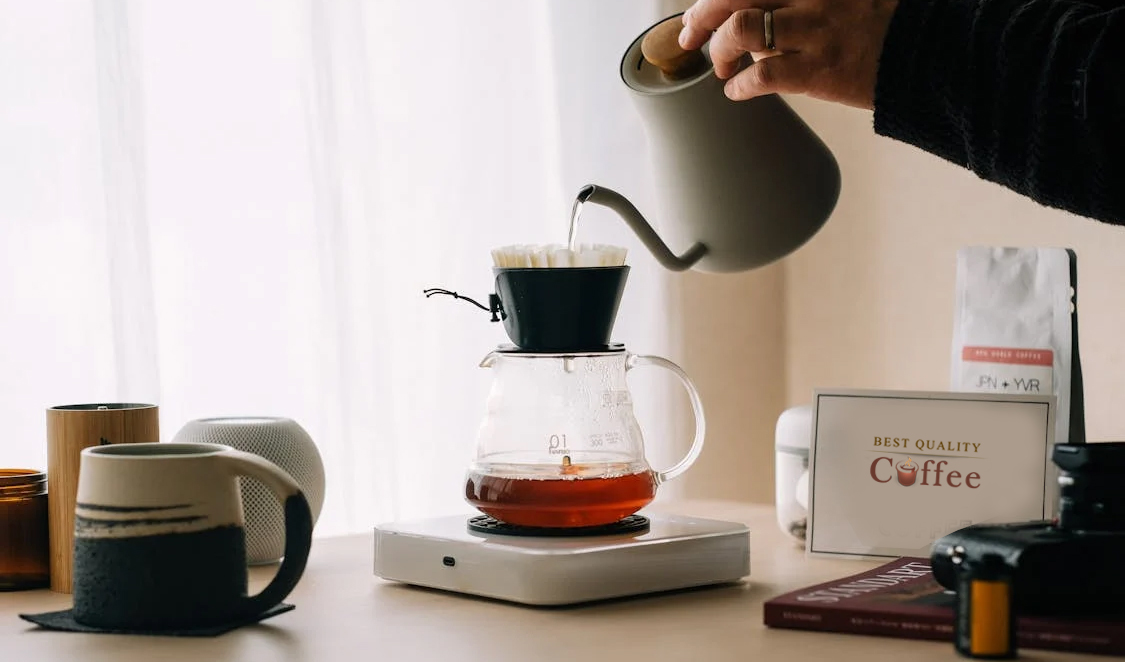
Keep in mind, it’s not solely about extracting maximum flavor; it’s about extracting a balanced flavor profile to reveal the genuine flavors of the bean
Improper Grind Size
One of the first things coffee lovers tend to do when looking to improve their coffee, is to buy new brewing equipment. In these cases, they’ve likely overlooked the importance of grind size. Overlooking the pivotal role of grind size is one of the most common mistakes when brewing coffee.
Using a grind size that is either too coarse or too fine can lead to under-extraction or over-extraction, respectively. It is advisable to invest in a high-quality burr grinder and tailor the grind size to suit your preferred brewing method. Beyond grind size, it’s also important that your coffee grounds are uniform as well. We recommend using burr grinds versus blade grinders since burrs produce a much more consistent grind.

Related Article: The Importance of Grind Size
Inconsistent Water Temperature
Water temperature plays a crucial role in the coffee brewing process as it directly affects the extraction of flavors from the coffee grounds. Brewing coffee with water that is too hot can result in over-extraction, leading to a bitter and unpleasant taste, while brewing with water that is too cold can result in under-extraction, producing a weak and insipid brew.
The ideal temperature range for brewing coffee is typically between 195°F to 205°F (90°C to 96°C), as it allows for optimal extraction of flavors without scorching the coffee grounds. Yes, you can burn your coffee grinds if you use water that’s too hot.
Storing Coffee Incorrectly
Proper storage is often overlooked but is indispensable for preserving the freshness and flavor of your coffee beans. Exposure to air, light, moisture, and heat can accelerate the degradation of coffee beans, leading to a loss of aroma and flavor. To combat this, store your coffee beans in a cool, dark, and airtight container.

Additionally, consider grinding your beans just before brewing to preserve their freshness and unlock their full potential.
Using Low-Quality Beans: Quality Matters
This is an obvious one. Using low-quality or stale beans can result in a lackluster cup of coffee that simply fails to deliver. The result ends up being something resembling brown water.
When selecting coffee beans, it’s not only about seeking more than just affordability; it’s about prioritizing quality and flavor. Always go with whole beans if you’re looking to maximize freshness. As the saying goes “you get what you pay for”. And that holds especially true in the coffee industry. Choose beans that are freshly roasted and sourced from reputable suppliers, ensuring a bespoke coffee experience tailored to your discerning palate.
Below are some excellent high quality bean options that we’ve tried and highly recommend.
TOP CHOICE 
| 
| 
| 
|
Skipping the Coffee Scale: Precision is Key
Measuring your coffee and water with precision is essential for achieving consistency and balance in your brew. While it may seem daunting or even unnecessary at first, investing in a digital coffee scale can revolutionize your brewing experience. It also allows you to record coffee to water ratios and fine tune your brewing process.
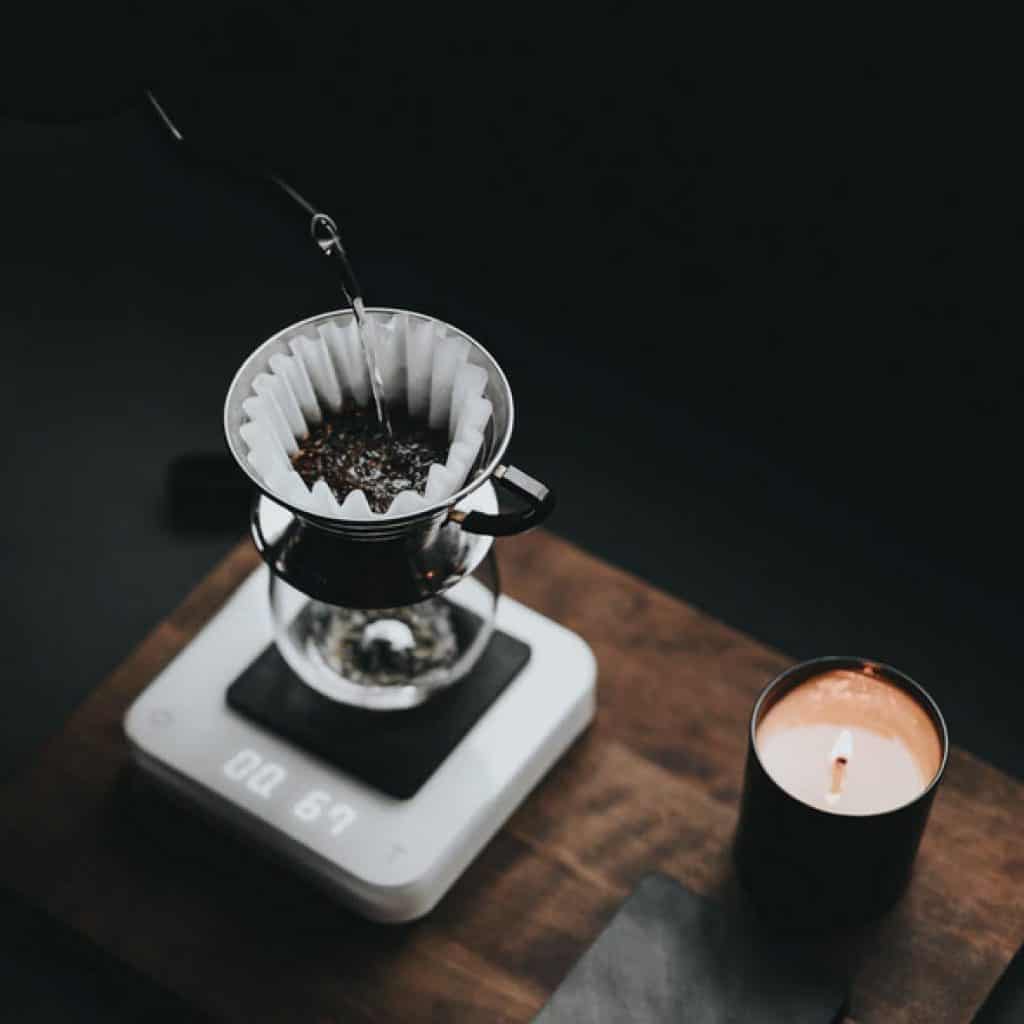
As a long time coffee lover who is often on the go, I totally understanding not wanting to invest this level of time and energy into such details. However, as a long time coffee lover who ALSO appreciates good coffee, I can say it’s worth it.
Ignoring Coffee-to-Water Ratio: Finding the Right Balance
As just mentioned, the coffee-to-water ratio is a critical factor in determining the strength and flavor of your brew. Using too much or too little coffee relative to the amount of water can result in an unbalanced and unsatisfying cup of coffee. Experiment with different ratios until you find the perfect balance that suits your taste preferences. Remember, it’s not merely about following a recipe; it’s about tailoring the brewing process to achieve your desired flavor profile.
What is the best coffee to water ratio? It’s said that coffee’s golden ratio is 1:18 (coffee: water). We suggest using this a guide and experimenting with different ratios to see which works best with your specific bean and brewing method.
Not Cleaning Equipment Regularly: Maintenance Matters
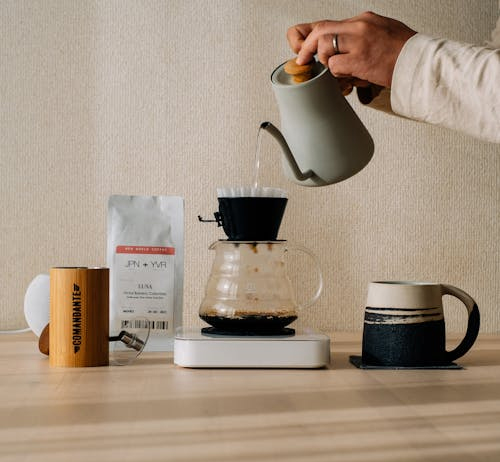
Regular cleaning and maintenance of your brewing equipment are essential for ensuring consistent and high-quality brews. Residual coffee oils and residue can accumulate over time, leading to off-flavors and diminished brewing efficiency.
Make it a habit to clean your equipment thoroughly after each use, using specialized cleaning products or a mixture of water and vinegar. By keeping your equipment clean and well-maintained, you’ll prolong its lifespan and enjoy delicious coffee for years to come.
Using Tap Water: Quality Counts
The quality of water used in brewing coffee can significantly impact its taste and aroma. After all, coffee is 98% water Source.
Tap water that contains impurities or strong flavors can mask the natural nuances of the coffee beans, resulting in a less-than-ideal brew. Consider using filtered or bottled water to ensure a clean and neutral base for your coffee. By prioritizing water quality, you’ll unlock the true potential of your coffee beans and elevate your brewing experience to new heights.
Third Wave Water produces water specially designed to make an incredibly clean-tasting brew.
Overlooking Freshness: Embracing the New
Rounding out this list of common mistakes when brewing coffee, is the timing of when you brew your beans.
Coffee beans are at their peak freshness shortly after roasting and begin to lose flavor and aroma over time. Take note of the roast date. Coffee is at its best around 7-21 days after roasting.
Common Mistakes When Brewing Coffee: Final Thoughts
In conclusion, brewing great coffee is a blend of science and technique.
Every step, from measuring the ingredients to controlling the temperature, affects the taste. No detail is insignificant. It’s about understanding how these factors work together to bring out the best in your beans. So, as you dive into the world of coffee brewing, remember to pay attention to the details and be open to experimenting. By doing so, you’ll not only improve your skills but also develop a deeper appreciation for the art of making coffee.
lastly, no article on the common mistakes when brewing coffee would be complete without a final word. As with cooking, remember to add the most ingredient: “love” 🙂 Happy Brewing everyone.


Leave a Reply