

Coffee begins to decline the moment it’s roasted. The change isn’t sudden like milk going bad, but it’s steady and noticeable in the cup. What starts as bright, complex, and vibrant slowly becomes flat and one-dimensional. Welcome to the world and art of preserving coffee freshness.
Day 1 after roasting delivers peak clarity and nuance. By day 21, the same beans taste noticeably duller. Most coffee drinkers never experience the roaster’s true intention because they buy beans that are already weeks old and finish them long after the ideal window.
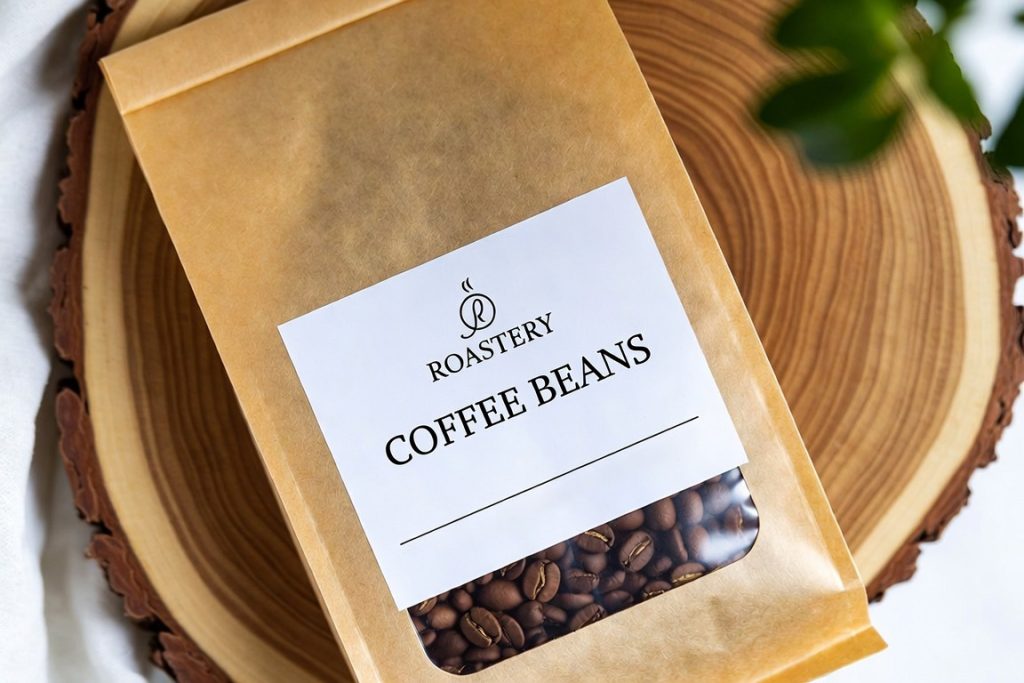
The Coffee Freshness Timeline for Whole Beans and Ground Coffee
Whole bean coffee reaches its best flavor between day 3 and day 21 after roasting. At this stage, the beans have finished degassing while retaining most of their aromatic compounds. After day 21, quality declines noticeably. By days 35–40, the coffee tastes distinctly old.
Ground coffee has a much shorter life. Once ground, the greatly increased surface area exposed to air causes flavor compounds to fade quickly. Expect only 3–7 days of good taste before it becomes flat.
How Roast Level Affects Coffee Freshness
Light roasts stay fresh for about 2–3 weeks. Their delicate flavor compounds are more vulnerable because the beans haven’t developed as many protective elements during roasting. Buy light roasts as fresh as possible and drink them promptly.
Medium roasts offer a more forgiving window of 3–4 weeks at good quality. This balance of flavor and stability explains their popularity.
Dark roasts last the longest—typically 4–6 weeks. The roasting process creates compounds that better resist oxidation, making dark roasts more stable and tolerant of slightly longer storage.
When Coffee Goes Bad
Coffee doesn’t spoil or become unsafe to drink. It simply loses its flavor. After 8–12 weeks, whole beans retain little more than caffeine. Ground coffee reaches this point even sooner, often after 4–6 weeks.
Instant coffee lasts longer—up to 6–12 months—because most moisture has been removed during processing. Even so, it tastes better when fresh.
Proper Storage Makes a Real Difference
Light, heat, oxygen, and moisture are coffee’s main enemies. The best storage uses an airtight container that blocks light and keeps out moisture.
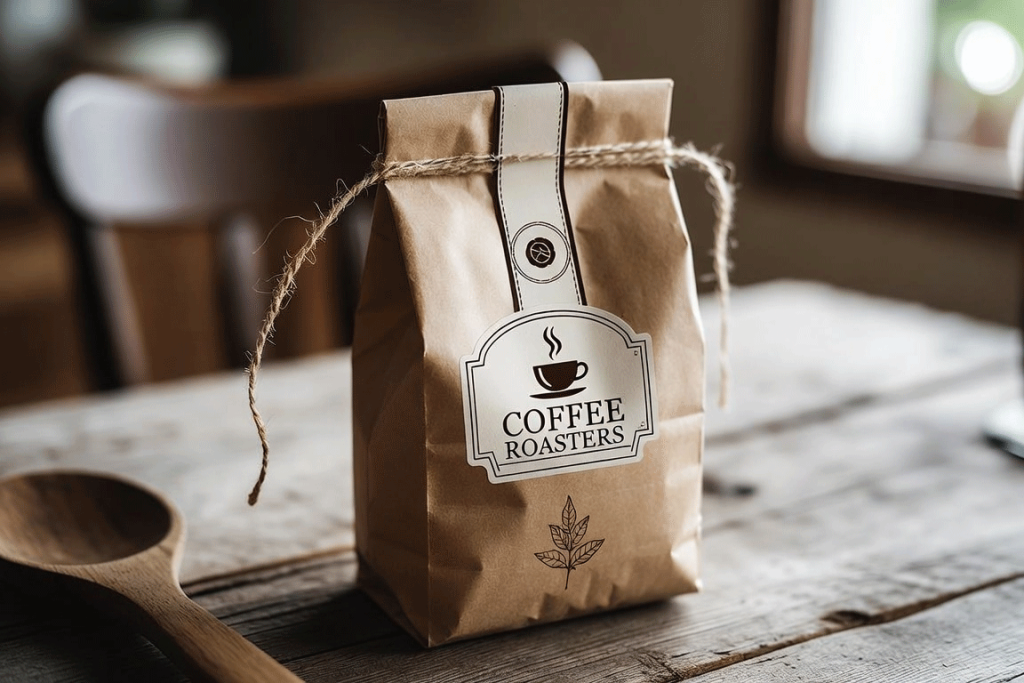
Many people leave beans in the original bag or a random jar, which accelerates aging. For quality beans costing $15–20 per pound, investing in a proper airtight canister significantly extends freshness.
Packaging Matters: Pouches vs. Cardboard Tubes
Standard coffee pouches often allow small amounts of oxygen in with every opening and frequently let light through. This causes beans to decline within a few weeks.
Coffee cardboard tubes provide better protection. They block light completely and, when properly sealed, limit oxygen exposure between uses. Beans stored in quality tubes typically stay brighter and more flavorful longer than those in pouches. By week 3, the difference is often clear: tube-packed beans retain more vibrancy while pouch-packed ones begin to fade.
Freshness by the Numbers
– Days 1–7: Peak flavor. Ideal for exploring single-origin nuances.
– Days 8–21: Still very good, though complexity gradually decreases. Most bags are finished here.
– Days 22–40: Acceptable but increasingly flat. Light roasts are usually past their best by day 28; dark roasts hold up better.
– Day 40+: Old coffee that lacks character.
Bottom Line: How to Enjoy Better Coffee
Buy beans with the roast date clearly marked and choose the freshest available. Store them properly in an airtight, light-blocking container. For best results:
– Light roast: Drink within 3 weeks
– Medium roast: Within 4 weeks
– Dark roast: Within 6 weeks
Fresh coffee reveals the true character of its origin—bright, layered, and distinctive. Older coffee simply tastes like generic “coffee.” Checking roast dates and storing beans thoughtfully lets you experience what great coffee is meant to taste like. Use these tips on preserving coffee freshness to get the most out of your coffee experience.


Leave a Reply