

It’s commonly known that coffee, the magical brew that’s key to the sanity of the human race, has a number of health benefits. In addition to tasting great and being the fuel that makes the world go round, it’s chock-full of antioxidants. But more recently, there’s been a growing concern over mycotoxins found in coffee. Mycotoxins are toxic compounds naturally produced by certain molds. In this article, we will cover what you should know about the unfortunate relationship between mold, mycotoxins and coffee along with a list of the best mold free coffee available.
Although mycotoxins are not exclusive to coffee, they are commonly found in this widely-traded commodity. For a variety of reasons which we’ll go into in this article, mycotoxins and coffee share a less than desirable connection.

Key Takeaway Points
- Mold and mycotoxins are potential contaminants in coffee. One study found that 26% of all coffees contain mycotoxins.
- Buy high-quality, wet-processed coffee beans roasted at a high temperature.
- Store coffee beans properly and use fresh, cold water to brew.
- Choose organic or fair trade coffee beans that have been tested for mycotoxins and mold
- Grind your coffee beans just before brewing and clean your brewing equipment regularly.
Check out our list of best mycotoxin and mold free coffee guaranteed to deliver full-flavor while also giving you a peace of mind.
 |  |  |  |
|
|
|
|
Lifeboost Coffee
Marketed as a low acid mycotoxin free coffee, Lifeboost Coffee has earned itself a sterling reputation among health professionals and coffee lovers alike for the purity of their coffee. The company goes to great lengths to ensure there are zero traces of mycotoxins in their gourmet coffee. In addition to being mycotoxin free coffee, it’s also 100% organic which in this day and age is a minimum requirement for specialty coffee. We’ve tried this coffee and were impressed by its pure and remarkably clean flavor. For more details, check out our Lifeboost Coffee review. Created by Dr. Charles Livingston, Lifeboost Coffee is an example of a coffee that’s as delicious as it is healthy. Use this Lifeboost Coffee discount code to get 20% off your entire order (Code: BESTQUALITY).

Fabula Coffee
Next up on this list of best mold free coffees is Fabula Coffee. Fabula Coffee uses specialty-grade, single origin, organic coffee beans that are third party tested for mold and mycotoxins. What makes this coffee even more unique is that like Lifeboost Coffee, it’s low acid as well making it very gentle on the stomach. Their brews are distinctly smooth and yield a depth of flavor that’s won over the hearts of many of its customers. Coffee lovers who deal with stomach issues, acid reflux, or heart burn will appreciate the tasteful yet gentle coffee experience Fabula coffee offers. Check out our Fabula Coffee review for more details on this full-flavored mold free coffee. Their dark roast in particular is a fan-favorite.
Use this Fabula Coffee discount code to get 15% off your order: Promo15

Purity Coffee
As its name suggests, Purity Coffee is all about drinking “pure” coffee. Their coffee is contaminant-free, mold-free, and mycotoxin-free and these qualities are reflected in the coffee’s flavor and aroma. It’s crisp taste was an absolute joy for me and I drank this coffee every day for almost a month. In my opinion, Purity Coffee has set the gold standard for what constitutes healthy coffee and they stay true to their namesake.
As one of the best organic mold free coffees available on the market, it’s rigorously tested and has obtained multiple certifications such as being USDA organic, Smithsonian Bird Friendly, Demeter Certified Biodynamic, and Rainforest Alliance Certified.
Free free to read my Purity Coffee review for more details. Their dark roast offers notes of dark chocolate, roasted walnut, and brown spice. If you’re interested in this mycotoxin-free coffee, use this Purity Coffee discount code to get 10% off. BQC10

Peak Performance
Peak Performance is a supplement company that produces one of the cleanest and purest coffee experiences we’ve tried to date. As such, it’s one of our favorite mold free coffees.
The company sources premium single origin coffee beans from the Guatemalan Highlands that deliver an exceptionally clean flavor. This coffee is also 3rd party tested as well which offers additional peace of mind to the health-conscious coffee lover. Peak Performance coffee offers a pure, unadulterated coffee experience that will likely change your standards for what qualifies as good coffee.
- USDA Organic coffee
- High-altitude single origin coffee beans
- Third party tested
- Pesticide free and non GMO
Read our full Peak Performance Coffee review for more details.

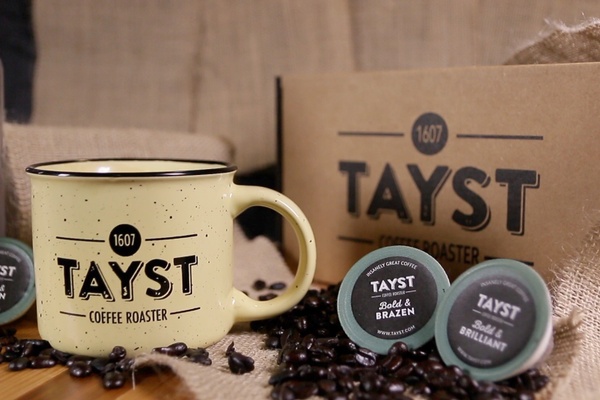
Tayst Coffee
Tayst Coffee is another excellent choice when it comes buying the top mold-free coffee available. They source only the top 3% of premium coffee beans in the world and make them available in 8 creatively-crafted blends. In addition to being mold-free, pesticide-free, and mycotoxin-free, the coffee is low acid and very easy on the stomach. Coffee’s inherent acidity can trigger gastrointestinal issues which forces many coffee lovers with sensitive stomachs to give up one of life’s greatest pleasures. With low acid-coffees such as those sold by Tayst, they don’t have to. As a plus, the company offers 100% compostable coffee pods that are compatible with your Keurig machine.
- USDA Organic coffee
- Rain Forest Alliance Certified
- Pesticide free and non GMO
Read our full Tayst Coffee review for more details.
Big Island Coffee Roasters
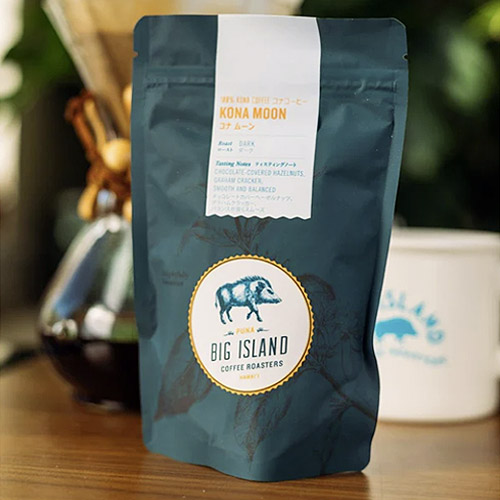
Big Island Coffee Roasters (BICR) is the most award-winning roaster in Hawaii. And that’s saying something given that Hawaii produces some of the most exotic and expensive coffee in the world. With such high standards, it comes as little surprise that they source mold free coffee beans. We fell in love with their Kona brews not long ago. Their coffee is incredibly smooth yet complex in flavor. As a result, their premium coffee is very well-suited for coffee snobs and connoisseurs in search of mold free coffee.
Check out our full Big Island Coffee Roasters review for additional details.
Buy Big Island Coffee Roasters
Cardiology Coffee
This list of best mold free coffees wouldn’t be complete without Cardiology Coffee, a brand founded by a cardiologist named Dr. Jack Wolfson. This organic mold free coffee is third party tested for mold, mycotoxins, and contaminants. But let’s talk flavor. Not long ago we did a Cardiology Coffee review and were thoroughly impressed by just how balanced and clean the flavor of this coffee was. It’s the type of coffee that’s so well-balanced that you could easily drink it throughout the day. 100% organic, this coffee is grand example of what mold-free coffee and any high-grade coffee for that matter should taste like.

Spirit Animal Coffee
Spirit Animal Coffee produces specialty-grade coffee that’s worthy of being in the rotation of any uncompromising coffee lover. In addition to being tested for Mycotoxins and Mold, this coffee is also organic, low acid, and shade-grown. It’s low acidity is a wonderful bonus for those who have sensitive stomachs or suffer from Irritable Bowel Syndrome (IBS). Their Lempira coffee, sourced from Honduras is a prime example of some of the best mold free coffee available. It’s delivers a clean, crisp, pure flavor that expresses all the natural flavor nuances of a quality coffee bean. This coffee yields subtle notes of sweet, peach-like flavor complemented by caramel undertones.
For more information, read our Spirit Animal Coffee review.

Kion Coffee Mold Free Coffee
Next on our list of mold free coffee is Kion Coffee. Kion Coffee is medium roast 100% organic and is tested by an independent lab for 60 different types of mold. The phrase “roasted to perfection” can have many different meanings. For Kion Coffee, it means they roast their coffee within the middle of the roasting spectrum scale to maximize healthy phytocehmicals while limiting excessive caffeine. In addition to being healthy coffee, it offers intense notes of English walnut and balanced citrus flavor. This coffee, like the the others on this list, delivers an unadulterated coffee experience.

BulletProof Coffee Original
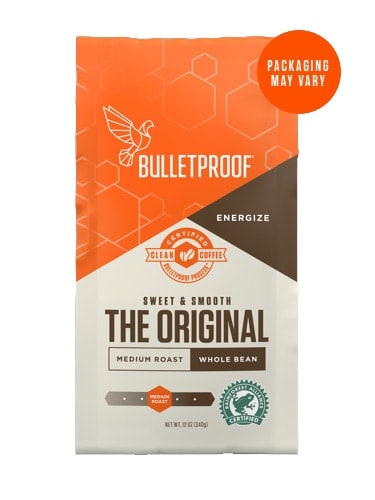
Last but certainly not least on this list of mold free coffee is BulletProof Coffee. This coffee is especially popular among those living a keto or low carb / high fat lifestyle and for many health conscious coffee lovers, this brand needs no introduction. Their pure coffee is formulated to improve well-being and overall performance while staying true to the pure coffee experience. Their Original Brew is a medium roast with a deliciously rich flavor. Even though the company isn’t certified organic, Bulletproof coffee sources coffee beans that are organically grown. The company uses a proprietary roasting process to help reduce toxins.
Mold & Mycotoxins in your Coffee?
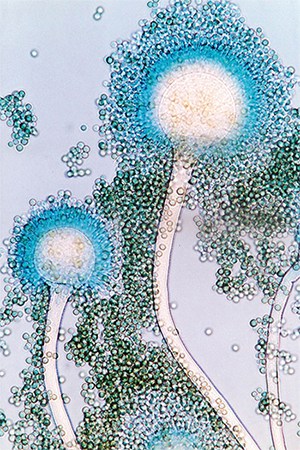
Often times crops that have a long storage process such as corn, grains, and coffee beans are susceptible to mold and fungus growth. Certain types of mold release a toxic chemical called mycotoxins which obviously you’d want to avoid. Mycotoxins have been known to cause health problems like cardiomyopathy, hypertension, cancer, and kidney disease.
One study found that 26% of all coffees contain mycotoxins. Does that sound alarming? It should. Given that coffee is the most popular drink on the planet surpassed only by water, it’s concerning to hear that over a quarter of all coffee contains this naturally-occurring yet dangerous fungi. What’s more alarming is there are other studies out there where the percentage of contaminated beans is even higher.

What are Mycotoxins?
As alluded to earlier, not all mold produces mycotoxins. Many people often believe that the roasting process eliminates any presence of mycotoxins. While it’s true that mycotoxins and other impurities are purged through the roasting process, it doesn’t necessarily mean your final brew will be mycotoxin-free. And if the roasted beans are improperly stored, removing mycotoxins in coffee is even more of a challenge.
In fact, it’s all about storage.
When coffee is harvested and processed, it often remains in storage for extended periods of time before being shipped to a roaster. In many cases, coffee can remain in storage for up to a year before being “freshly-roasted”. Improper storage and loose temperature control lead unwanted moisture forming which is a primary reason for uncontrolled mold growth. In this sense, how a coffee is stored is just as critical as how it’s grown, processed, and roasted.

The most common mycotoxins found in coffee are Ochratoxin A (OTA) which commonly develops on coffee that’s stored for a long period of time. Ochratoxin A is a potent kidney toxin and has been linked to kidney disease in some studies source. Aflatoxins are known carcinogens and have been linked to liver cancer in humans. We wont’ get into all the details of it here, but if you’d like to learn more about OTA and Mycotoxins, check out this helpful article.
Best Mycotoxin Free and Mold Free Coffee
Finding mycotoxin free coffee or coffee brands without mycotoxin can be a challenge. If you ask a coffee company about mold content in their beans and their response it “huh?”, then chances are their coffee isn’t mycotoxin free. In a society that’s growing more and more health conscious by the day, coffee lovers are beginning to prioritize and demand mold-free coffee.

Pro Tip: Some mold free coffee companies make their test results publicly available while others require you to ask for them. Either way, the “proof is in the putting” as the saying goes and there’s nothing wrong with reaching out to get confirmation.
Tips to Reduce Risk of Mycotoxins in Coffee
Outside of knowing exactly which mycotoxin free coffee brands to buy, there are a few ways to reduce the likelihood of exposure.
- Buy Coffee Processed by the Wet Method: Beans processed via the wet method compared to the dry process are less likely to have mold or mycotoxins
- Avoid Decaf: Caffeine is a mycotoxin inhibitor and can prevent fungi from growing out of control. While this doesn’t mean that all decaf coffee contains mold, it does mean that you can reduce the probability of having mold in your coffee by making sure you stick with a normal caffeinated beverage. If you’re bent on buying decaf, make sure you buy quality decaf that’s specialty-grade quality (See bullet #5).
- Choose Hand Picked Coffee: Hand picked coffee beans under a keen eye are typically subject to higher standards than beans sorted and picked by a commercial machine.
- Climate: Coffee beans grown in high elevation are less likely to contain mycotoxins. Fortunately, most high-end coffees will be grown at higher elevations
- Buy Specialty-Grade coffee: Specialty-grade coffee are beans are subject to higher standards than regular beans. These beans have been assessed by the Specialty Coffee Association as being defect-free and mold-free. Additionally, they’ve received a score of at least 80 out of 100 on the specialty coffee grading scale. One thing to be aware of is that often times specialty-grade coffee companies don’t market themselves as being mold free even though they are. Most of the time, by virtue of reaching specialty-grade status, these beans are already considered mold free.
What to Look for from Mold Free Coffee
The truth is that most coffee companies don’t get their coffee tested for mold. As such, they aren’t able to produce any type of certification proving the purity of their beans in this regard. For the companies that do offer certifications, below are some things you should be aware of. We realize the average coffee consumer won’t go into this much detail when it comes to confirming mold-free coffee, but the tips below are worth knowing regardless.
- Note the testing date. Make sure it’s relatively current
- Confirm that there’s a name and signature of the specialist who conducted the test
- Note the testing method used
- Note the full list of mycotoxins tested for
- Note the values and what is called the LOD (limit of detection value). LOD is defined as “the lowest concentration of a given substance in a sample that can be consistently detected with a stated probability (typically at 95% certainty)” source

Benefits of Drinking Mycotoxin Free Coffee
It’s nothing shocking to hear that consuming mold of any kind or type is never a good thing. As such, drinking the best mycotoxin-free and mold-free coffee offers many health benefits.
- Boost your immune system
- Improve overall health
- May decrease cancer risk
- May prevent liver damage
FAQ about Mold Free Coffee
The only way to truly tell if your coffee is mold free or mycotoxin free is to have it tested. These tests should be conducted by a third-party lab. Most coffee that’s mold free will have this designation mentioned in the product description. The best mold free coffee will make these test results either available publicly or on request.
Just because a coffee is certified organic doesn’t mean it’s mold free. As mentioned above, the coffee beans need to be tested by a third party in order to know for certain.
While there are exceptions to every rule, mold free coffee will typically be more expensive than regular coffee. The reason for this is that mold free coffee is considered to be of higher quality than regular beans. As mentioned in this article, specialty-grade (coffee rated above an 80 by the Specialty Coffee Association) will typically be mold-free just by virtue of the especially high standards to which their subject.
We recommend that you purchase the best mold free coffee direct from the roasters themselves. Purchasing from Amazon can be cost-effective, but the beans are usually not as fresh because they are kept in storehouses before shipping as opposed to being recently roasted beforehand. The coffee companies listed are certainly good places to start.
For the freshest experience, it’s recommended you buy whole bean mold free coffee and grind the beans yourself. Pre-ground coffee can be more prone to mold contamination.
Buying coffee that’s already of mold is one thing. Keeping them in that condition is another. We suggest storing your coffee in an airtight container and placing it in a cool, dry place away from sunlight and moisture.
Beyond the Brands: Practical Tips for Minimizing Mold Risk:
While choosing brands known for their mold-free practices is crucial, here is a summary of things you can do to take proactive steps to minimize mold risk:
- Storage is key: Store coffee beans in an airtight container away from heat, light, and moisture. Vacuum sealing is ideal. Consider using opaque containers if sunlight is a concern.
- Grind fresh: Pre-ground coffee has a higher surface area, making it more susceptible to mold growth. Grind only what you need immediately before brewing.
- Mind the temperature: Don’t store brewed coffee at room temperature for extended periods. Refrigerate leftovers or discard them within 24 hours.
- Source matters: Choose coffee from regions with optimal growing conditions and proper post-harvest processing. High-altitude coffee often has less mold due to cooler temperatures.
- Support transparency: Look for brands that readily share third-party lab test results for mold and mycotoxins. This demonstrates their commitment to transparency and quality.
Mold, Mycotoxins, and Coffee: Final Thoughts
In closing this article, the idea of mold and coffee should ideally never be in the same sentence. But as we discussed, it’s an unfortunate reality that coffee lovers should at least be aware of. The facts about mold and coffee aren’t meant to scare you. Instead, they’re meant to empower you to make the healthiest and best purchasing decisions when it comes to your morning brew.
While it’s true that the mold and mycotoxins found in your coffee may be in trace amounts, it’s always better to minimize exposure.
Related Article: Did you know you might have bugs in your coffee?
We’ll be regularly adding to this list of best mycotoxin free coffees and best mold free coffees. I personally think there’s an invaluable peace of mind that comes with drinking contaminant-free coffee. I also believe there’s a distinct difference in the flavor although I don’t have any scientific evidence to prove it. Mold free coffee tends to have a cleaner and more pure flavor than those that haven’t been tested for mold.
It’s often said that health is everything. It’s also been said that coffee is everything. With these impressive mycotoxin and mold-free coffees listed above, now you can enjoy the latter without compromising the former.
Related Article: Best Healthy Coffee Picks of the Year


The saying is the proof is in the PUDDING. Damn autocorrect. 😉
What is your opinion of Black Diamond by Top Shelf and Life Boost dark roast??? Thank you
We’ve never tried Black Diamond by Top Shelf. But we can say that Lifeboost Dark Roast is a very clean and robust tasting coffee. It’s one of our favorites.