

According to Drive Research, over 2.25 billion cups of coffee are consumed in the world daily. This makes coffee by far and away one of the most consumed beverages in existence. Additionally, this statistic underscores coffee’s status as the most extensively traded agricultural commodity globally. Today, coffee has evolved beyond a mere caffeine fix and instead, grown into cultural cornerstone and essential aspect of daily life for many.
Yet not all coffees share the same profile. Gone are the days of requesting a generic coffee at a café. With the advent of the third wave and specialty coffee culture, discerning consumers now seek coffee that offers an experience as opposed to just a something to help keep you awake in the morning.
Curious about how coffee regions influence flavor profiles? Let’s dive right in.
Coffee Flavor Diversity by Regions
The climate and environment in which a coffee plant grows has an immeasurable impact on its ultimate flavor profile. While other factors such as processing and roasting influence flavor as well, many would argue that the coffee region and its climate play the biggest role in how your final cup of coffee will taste. Environmental factors such as temperature, soil composition, humidity levels, and altitude contribute to the intricate tapestry of coffee flavors that we coffee lovers have come to adore. From sweet to bitter, nutty to fruity, and toasted to floral, the spectrum of coffee is unsurprisingly wide.
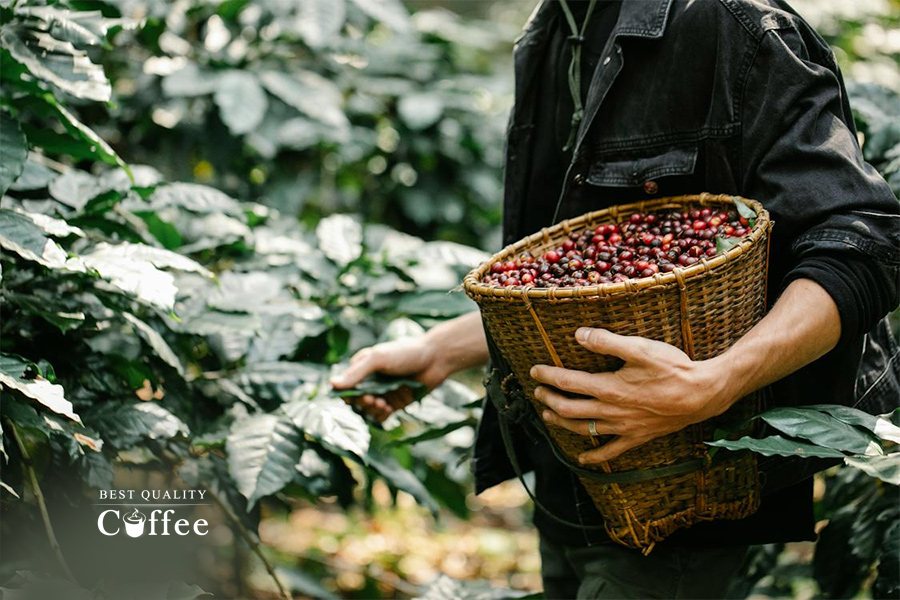
For aficionados, the allure of coffee lies in the journey of discovery, traversing various coffee-growing regions to uncover favored flavor profiles. While I may not be an coffee connoisseur per se, my love for the coffee experience goes beyond just the caffeine it offers. In fact, I remember the first time I visited a coffee plantation in the mountains Southeast Asia. This experience instilled within me a new appreciation for what goes into producing this magical bean. It also made me realize just how much the environment shapes its final flavor profile. Having said all this, let’s take a look at some of the best coffee growing regions in the world.
Latin America
Latin American coffees are coveted for their robust body, balanced acidity, and subtle fruity undertones, often characterized by chocolatey and nutty flavor notes. What this coffee may lack in smoothness, it more than makes up for in balance.
- For bright acidity and floral notes: Colombian Supremo (Caturra), Costa Rican Tarrazu (Caturra)
- For smooth, chocolatey flavor: Brazilian Santos (Bourbon), El Salvador Pacamara (Bourbon)
- For unique sweetness and body: Panamanian Geisha (Typica), Nicaraguan Maragogype
Brazil
Renowned as one of the world’s leading coffee producers, Brazil offers nutty and sweet coffees with a rich, full-bodied texture, ideal for espresso. Additionally, Brazilian coffee regularly combines chocolatey notes with a distinct smoothness. Some varieties from this region may exhibit hints of spice or citrus.
Colombia
Unlike Brazilian Coffees, Colombian coffee is celebrated for its bright and fruity profile. Colombian coffees entice with caramel sweetness and a delicate nutty essence, complemented by moderate acidity and medium body.
Guatemala
Sharing similarities with its Latin American counterpart, Colombia, Guatemalan coffee captivates with its rich flavor profile, owing to the region’s volcanic soil. As a result of its growing climate, Guatemalan coffee may boast a slightly elevated acidity and subtle smokiness—a distinctive hallmark cherished by connoisseurs.
Africa
In contrast to the flavor profiles of coffees produced in Asian countries, African coffees are characterized by their heightened acidity and vibrant flavor profiles, often featuring fruity, floral, and sweet notes.

Ethiopia
Revered as as the birthplace of coffee, Ethiopia presents a delightful array of fruity, wine-like coffees, derived from thousands of coffee varietals still found growing wild. Wet-processed coffees exhibit delicate floral nuances and a light body, while dry-processed varieties evoke flavors reminiscent of blueberry or strawberry, accompanied by a smooth, syrupy mouthfeel.
Ethiopian coffee beans will typically offer the brightest and fruitiest profiles when compared to beans grow in in other regions.
Kenya
Noted for its incomparably bold and lively flavors, Kenyan coffee commands attention with its vibrant, juicy characteristics, punctuated by hints of tomato or black currant. Renowned for its well-balanced profile, Kenyan AA coffee, in particular, enjoys a distinguished status among coffee enthusiasts.
Kenya’s coffee beans are primarily graded based on size, not quality. This goes from largest to smallest:
- AA: Biggest and priciest compared to all the other beans. It’s also the usually the most dense and flavorful.
- AB: Mix of A and B sizes, still considered premium.
- PB: Peaberry beans differ from other beans in that they have on a single coffee cherry as opposed to two. This often results in a unique flavor that’s sweeter than regular beans.
- C: Smaller beans, good for blending or instant coffee.
- E: “Elephant” beans, largest individual beans.
- TT: Flat and smaller than C, used for lower-grade coffee.
- T: Tiniest beans and often used for instant coffee.
Asia
As mentioned earlier, Asian coffees compared to African coffees offer very contrasting flavor profiles. Asian coffees are esteemed for their undoubtedly earthy, bitter undertones, featuring flavor profiles reminiscent of dark chocolate, earth, and herbs.
Indonesia
Some Indonesian coffees exhibit deep complex flavors with dark chocolate and herbal undertones while others offer an earthen and smoky flavor. Besides being bold, quality Sumatran coffee will also be incredibly smooth. Additionally, Sumatran coffee is favored for its low-acid qualities making it very gentle on the stomach but strong on the tastebuds.
Malaysia
While Arabica and Robusta beans dominate global coffee production, Malaysia’s coffee landscape revolves around the Liberica coffee plant, renowned for its fruity, nutty flavors and robust character. Malaysian coffee is also celebrated for its bold and intense taste profile.
United States
Hawaii
Hawaii is the only state in the U.S. that grows coffee. In that sense, while the United States as a country isn’t considered one of the best coffee regions in the world, the lone island of Hawaii certainly is.
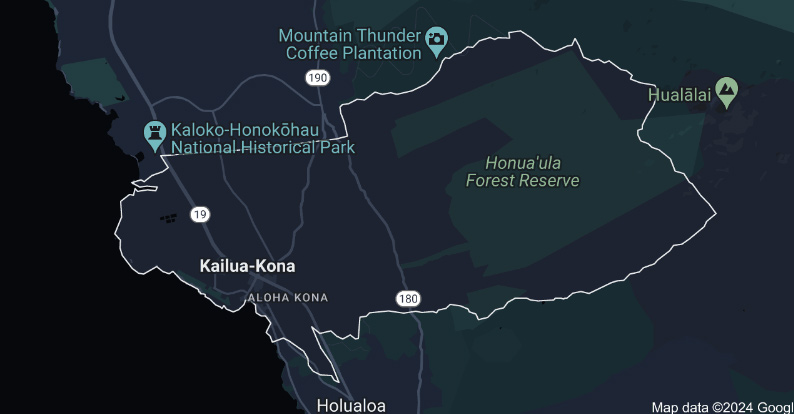
Hawaii is well-known for its incredibly smooth beans grown in the coveted Kona mountain range. This range offers the ideal climate conditions and elevation for producing some of the smoothest coffee in the world. Compared to Sumatran coffee, I think Kona coffee is much smoother while still retaining its very complex and distinct flavor profile.
Kona Grading System
While size plays a role, Kona coffee takes grading a step further, considering three key factors:
1. Size Matters: Measured in 1/64th inches, larger beans like Extra Fancy (19/64″ Type 1) and Fancy (18/64″ Type 1) tend to be pricier. However, while size does matter, this is not an absolute rule. There are other factors that are equally important in determining the quality.
2. Imperfections Unveiled: Beans are meticulously inspected for blemishes, insect damage, and mold which results in a much higher quality bean with a smoother flavor. Obviously, the lower the defect count, the better the taste of the bean. For example, the Extra Fancy designation allows for 8 max defects per 300g, 40 partial defects, or 80 very minor defects.
3. Origin Unveils Authenticity: Kona Coffee Belt beans reign supreme, followed by coffee from specific regions within Hawaii. Look for designations like “Kona” or “Kau” for truly authentic flavor. Lower grades like “Hawaii Select” allow blending from various regions. However, this is not to say that Hawaii Select is not worth trying as Hawaii as a whole produces some some exquisite beans.
Recommended Hawaiian / Kona Coffees
Personally, the flavor profile of coffee beans grown in this region is my absolute favorite. Although I appreciate a good Sumatran bean, the smoothness of a Kona brew mixed with its complexity just wins my coffee-loving heart over. I’ve been fortunate enough to review many different extra fancy grade Kona coffee beans. They all have their appeal. However, my two favorite brands are Big Island Coffee Roasters and Royal Kona. Both of these brands produce amazing coffee that are unlike any other Kona coffees I’ve tried.
Big Island Roasters 
| Royal Kona Coffee 
| Volcanica Kona 
|
We’ve summarized this list of some of the best coffee growing regions into the table below:
| Country | Flavor Profile |
|---|---|
| Brazil | Nutty and sweet with hints of spice or citrus. |
| Colombia | Medium-bodied with caramel sweetness and nutty notes. |
| Guatemala | Rich with slightly elevated acidity and subtle smokiness. |
| Ethiopia | Fruity and wine-like, with floral nuances. |
| Kenya | Bold and vibrant, with juicy characteristics and hints of tomato or black currant. |
| Sumatra | Bold, dark, and full-bodied with smoky, earthy notes. |
| Indonesia | Complex flavor profiles with dark chocolate and herbal undertones. |
| Malaysia | Fruity, nutty flavors with a robust character. |
| Hawaii | Smooth and complex, with a favored status among coffee enthusiasts. |
Best Coffee Regions: Final Thoughts
Please note that this list of best coffee regions is certainly not exclusive. In fact, there are many other countries revered for their ideal coffee-growing climates. For example, the Nothern region of Thailand has often been referred to as one of the last frontiers of specialty coffee. Their coffee is well-known but in my opinion holds its own when compared to other renowned coffee-growing regions.
Call me simple, but I think there’s something surreal about how the right combination of soil, sunlight, water, and altitude can produce a bean that brings so much joy to my palate.
I’ve obtained a deeper appreciation than I had before for this magical bean as I’ve learned more about what actually goes into growing it. I’ve seen the proverbial “blood, sweat, and tears” that go into my making my morning brew. As the saying goes, coffee isn’t just a drink….it’s an experience. Consequently, the more I learn about it, the more I’ve found this statement to be true.
For more information, check out our article on choosing coffee flavor by region.


Leave a Reply