

Few experiences compare to drinking finely-crafted and perfectly-aged single malt whisky. In the world of the best whiskies, age is more than just a number. Age is the single factor that can make the difference between a good whisky and a transcendental one. Along these lines, maturation plays a vital role in the development of flavors, complexity, and overall quality of single malt whiskies. In the case of Loch Lomond’s single malts, age is especially important. In this article we’ll delve into the significance of this process and how it shapes exceptional whiskies such as those produced by Loch Lomond Distillery.

Interested in a selection of fine single-malt whisky? Follow this link: https://www.lochlomondwhiskies.com/collections/single-malt-whisky.
Before jumping right in, let’s cover a few basic points.
What is Single Malt Whisky?
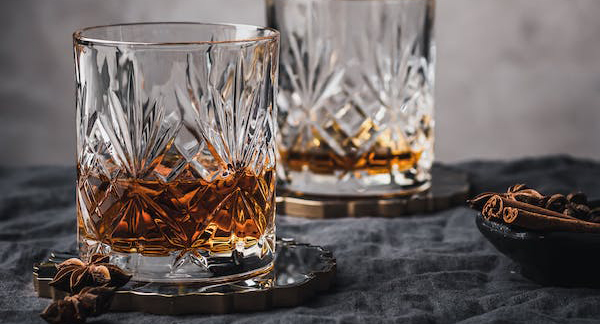
Single malt whisky is whisky produced from a single distillery. There can be some confusion when hearing the word. Some people mistakenly believe it refers to a single barrel or a single batch. For coffee connoisseurs out there, a single malt whisky is similar to a single origin coffee.
The process of making single malt whisky starts by picking the best barley grains and malting them to bring out their flavors. Producers then mix the malted barley with water allowing it to ferment. This creates a liquid called wash, which is full of tasty sugars and flavors. They distill the wash in copper pot stills, which helps make the whisky smooth and concentrated. Next comes to the maturation process which largely influences the final taste of the whisky.
The Maturation Process: Flavor Development
Maturation is the process by which whisky gains its character and distinct flavors while aging in oak casks. The interaction between the spirit and the wood during this period is what transforms a young, raw spirit into a rich, mature whisky.
During maturation, the whisky absorbs compounds from the oak casks, including vanillin, lignin, and tannins. These compounds contribute to the whisky’s complex and rich flavor profile, offering notes of vanilla, caramel, spices, and subtle hints of wood. Loch Lomond’s single malts are known for their exceptional balance of flavors, thanks to their carefully crafted maturation process. Each cask imparts its unique characteristics, resulting in a diverse range of flavors and aromas.
Similarly, whisky barrel-aged coffee involves aging green coffee beans in whisky barrels, allowing the beans to absorb the nuanced flavors and aromas of the whisky, resulting in a unique and delightful beverage.
Age Statement
When buying quality single malt whiskies it’s important to look at the product’s age statement.

Loch Lomond Distillery proudly displays age statements on their bottles, providing consumers with crucial information about the maturation period of their single malts. The age statement indicates the youngest whisky contained in the bottle, ensuring transparency and allowing enthusiasts to make informed choices based on their preferences. Older whiskies tend to exhibit deeper, more complex flavors, making them a popular choice among connoisseurs.

Loch Lomond’s Range of Age Statements
Loch Lomond Distillery offers a wide range of age statements, catering to different palates and preferences. The younger expressions, such as the 12-year-old, are vibrant and fresh, with fruity and floral notes taking center stage. As the whiskies age, they develop deeper flavors and become more sophisticated. The 18-year-old showcases a perfect balance between sweet and savory, with a rich and velvety texture. For those seeking the pinnacle of maturation, the 25-year-old is a masterpiece of complexity, offering layers of flavors that unfold with each sip.
Interaction of Maturation and Distillation
The maturation process is not solely responsible for the flavor development in whisky. Distillation techniques such as those employed by Loch Lomond Distillery also play a significant role.

The distillation process of single malt whiskys begins with mashing malted barley and mixing it with hot water to extract the sugars. The resulting liquid, known as the wort, is then fermented to convert the sugars into alcohol using yeast. Through a careful double distillation process in pot stills, the alcohol is separated from impurities and collected, ultimately yielding a flavorful and distinct single malt whisky.
Using different stills in making single malt whisky offers the benefit of capturing unique flavors and characteristics during the distillation process. Pot stills, for instance, can produce a spirit with a rich and robust profile, while column stills can result in a lighter and smoother whisky. By utilizing a combination of still types, distilleries can achieve a diverse range of flavor profiles, adding depth and complexity to their single malt whiskies.
Loch Lomond Distillery makes full use of a wide range of stills in order to produce some of the most impressive and creative flavors the single malt whisky industry has to offer.
The Influence of the Environment
Creating a good single malt whisky often boils down to a simple matter of chemistry. That being the case, the environment in which whisky ages has a profound impact on its maturation.
For example, Loch Lomond Distillery benefits from the unique climate conditions offered by the stunning landscapes of the Scottish Highlands. The cool, damp climate encourages a slow maturation process, allowing the whiskies to develop depth and complexity over time. The misty air, the fresh waters from the nearby loch, and the rugged terrain all contribute to the unique character of Loch Lomond’s single malts.

Single Malt Whisky: Final Thoughts
The importance of maturation cannot be overstated when it comes to single malt whiskys and Loch Lomond’s single malts are a shining example of this fact. The carefully-crafted maturation process, the age statements, and the interaction between distillation techniques and oak casks all contribute to the exceptional whiskies produced by this brand. Whether you prefer the vibrant and youthful expressions or the deep and complex flavors of aged malts, Loch Lomond offers a diverse range of options to satisfy every whisky lover’s palate. So, next time you pour yourself a glass of Loch Lomond’s single malt, take a moment to appreciate the age and the journey it took to create that perfect dram. Slàinte mhath! (This Irish phrase translates into “Good Health”)
Fun Fact: How Do You Spell Whiskey / Whisky?
Whisky is the spelling commonly used for Scotch whisky and whiskies from countries like Canada and Japan. On the other hand, whiskey is the spelling often used for whiskies produced in countries like the United States and Ireland. Both spellings refer to the same alcoholic beverage, but the choice of spelling depends on the specific country of origin.


Leave a Reply