

In today’s fast-paced world, convenience has shifted from being a luxury to an essential part of daily living. People are balancing work, family, and personal commitments more than ever before, leaving little room for inefficiency. As a result, services, products, and systems that save time and reduce effort have become highly valued. Convenience is no longer just about comfort—it’s about making life manageable.
The digital age has accelerated this shift. With everything from groceries to professional services available at the tap of a screen, expectations have changed dramatically. Consumers now expect seamless experiences that fit effortlessly into their routines, and businesses must adapt to keep up.
Time as the Most Valuable Resource
One of the main reasons convenience matters so much today is the increasing value placed on time. People are constantly searching for ways to streamline tasks and eliminate unnecessary steps. Whether it’s ordering food online, scheduling appointments digitally, or arranging transportation remotely, convenience allows individuals to reclaim precious hours in their day.
This focus on time-saving solutions has also influenced how people make decisions. Often, the easiest or quickest option is chosen over alternatives, even if it comes at a slightly higher cost. The ability to reduce stress and free up time for more meaningful activities is seen as a worthwhile trade-off.
The Role of Technology in Convenience
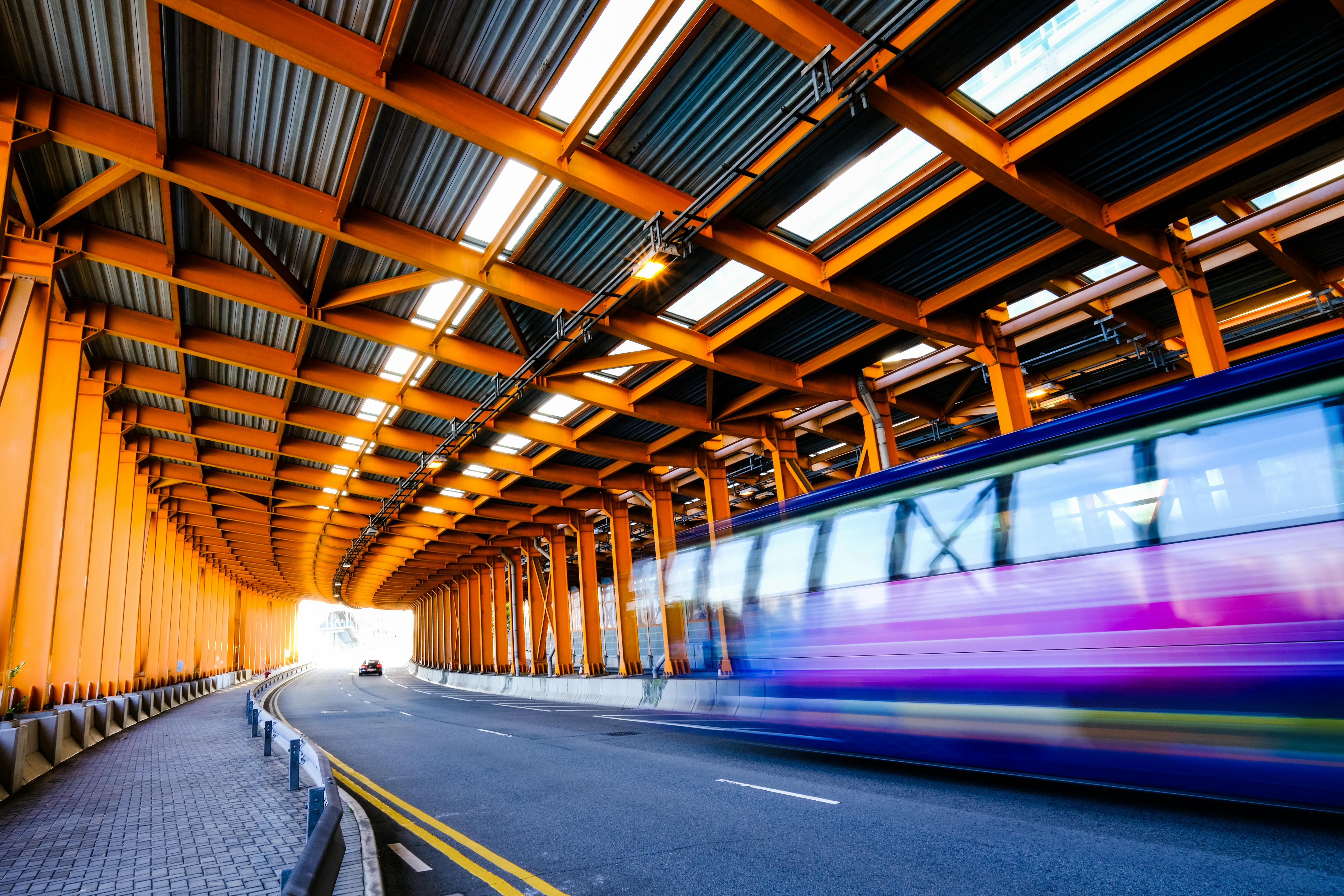
Technology has played a pivotal role in making convenience more accessible. Smartphones, apps, and online platforms have transformed the way people interact with services. Tasks that once required phone calls, paperwork, or in-person visits can now be completed in minutes.
For example, logistics and transportation have become far more user-friendly. Platforms like shiply.com simplify the process of moving items by connecting users with transport providers, eliminating the need for lengthy searches and negotiations. This kind of innovation highlights how technology is reshaping industries to prioritize ease and efficiency.
Convenience and Consumer Expectations
As convenience becomes the norm, consumer expectations continue to rise. People are less tolerant of delays, complicated processes, or unclear communication. They want services that are intuitive, fast, and reliable.
This shift has pushed businesses to rethink their approach. Companies that fail to prioritize convenience risk losing customers to competitors who offer smoother, more efficient experiences. On the other hand, those that invest in user-friendly systems and responsive support are more likely to build trust and loyalty.
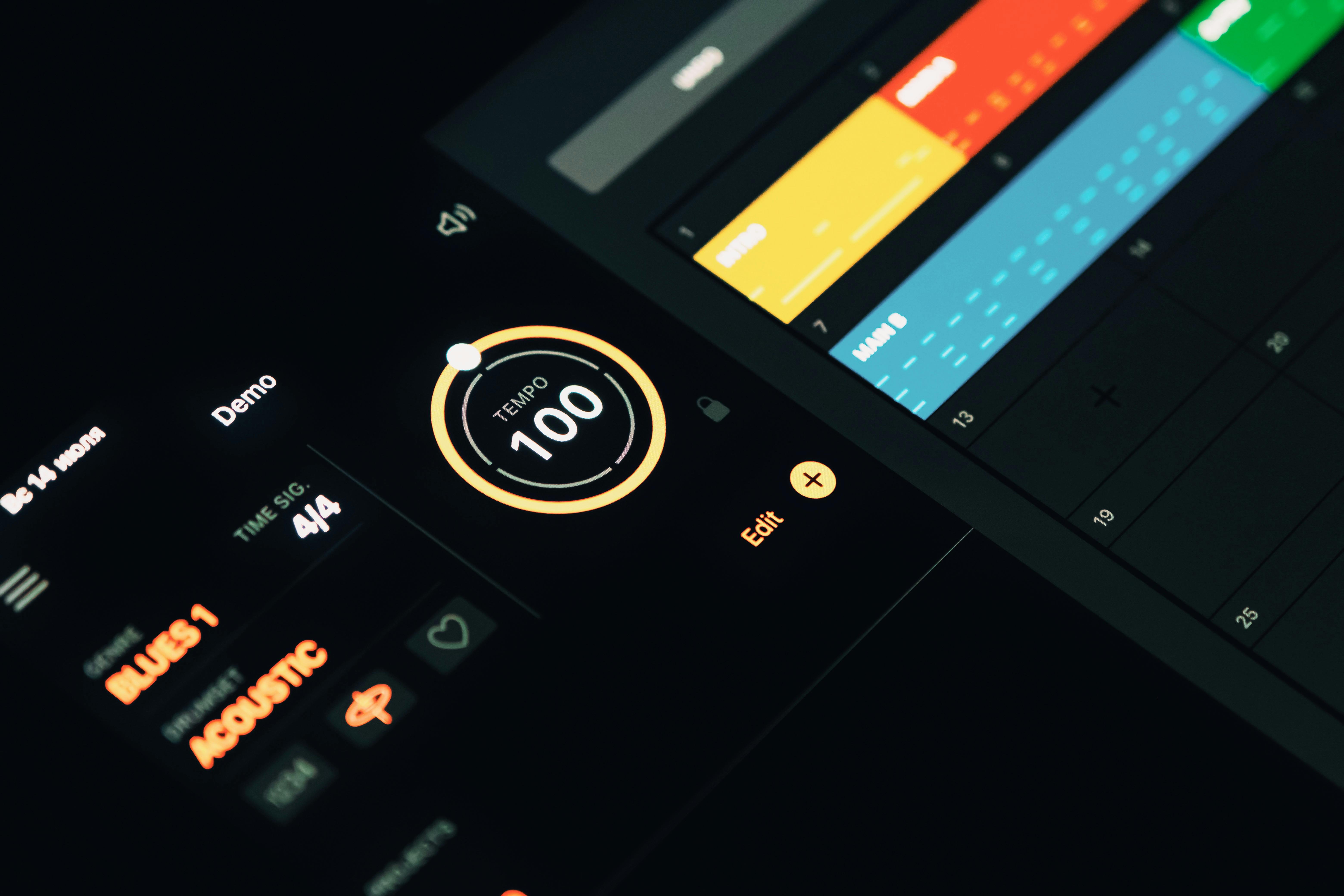
Convenience also extends beyond speed. It includes accessibility, flexibility, and personalization. Customers appreciate services that adapt to their needs, whether that means offering multiple payment options, flexible scheduling, or tailored recommendations.
The Impact on Lifestyle and Well-Being
Convenience doesn’t just make life easier—it can also improve overall well-being. By reducing the effort required to complete everyday tasks, people experience less stress and greater peace of mind. This allows them to focus on what truly matters, such as spending time with loved ones, pursuing hobbies, or advancing their careers.
Additionally, convenience can make essential services more accessible to a wider range of people. For individuals with busy schedules or limited mobility, the ability to handle tasks remotely can be transformative. It creates opportunities for greater independence and inclusion, making everyday life more manageable for everyone.

Looking Ahead: The Future of Convenience
As technology continues to evolve, the demand for convenience is only expected to grow. Innovations such as automation, artificial intelligence, and smart devices will further streamline daily tasks and enhance user experiences. The focus will likely shift toward creating even more personalized and predictive services that anticipate needs before they arise.
Ultimately, convenience has become a defining feature of modern life. It influences how people spend their time, make decisions, and interact with the world around them. Businesses and individuals alike must recognize its importance and adapt accordingly.
In a world where time is limited and demands are high, convenience is no longer optional—it’s essential.




Leave a Reply