

More than just an energizing force that gets people going in the morning, caffeine stands as a pillar to modern day civilization. If caffeine were to vanish, it’s wouldn’t be hard to imagine how the society we enjoy today could collapse. Ok, that may seem a little dramatic. But being that caffeine is the most consumed psychostimulant substance in the world, it’s not too far of a stretch. People around the world get their caffeine from a variety of sources. In this article, we’ll take a look at some of the best sources of caffeine along with options for healthy caffeine drinks.

Fortunately, many of the best sources of caffeine don’t just charge you with much-needed energy. They also confer a variety of other healthy benefits as well.
For purposes of this article, we’ll cover both healthy caffeine drinks along with healthy caffeine foods. Lastly, we’ll also offer a basic primer to what caffeine is and what to look for when searching for the best sources of caffeine.
Best Healthy Caffeine Drinks
1. Coffee
Coffee is one of the most popular and widely-consumed natural sources of caffeine. The caffeine content of coffee varies from one bean to the next. Even how a coffee bean is roasted will have an effect on its caffeine levels. In general, an 8 oz cup of coffee will contain about 100mg of caffeine.
Rich in antioxidants, coffee provides a stimulating effect and can enhance mental alertness within seconds of drinking it. However, it’s important to consume coffee in moderation and be mindful of any added sugars or artificial flavorings, as they can diminish its health benefits. As such, black coffee will maximize the health benefits that come from coffee.

While coffee beans in general contain antioxidants, there is a class of coffee that’s called healthy coffee beans. These beans are typically organically-grown, sourced, and roasted in a manner to optimize the health benefits of coffee.
Caffeine Content: 80-100mg / 8 oz Source
Lifeboost Coffee Dark Roast 
| TOP CHOICE Fabula Coffee Dark Roast 
| Peak Performance Coffee 
| For Wellness Coffee 
|
If you’re looking to reduce your caffeine intake but don’t want to go the route of decaf, consider drinking half caf coffee. As it’s name suggests, this coffee has half the amount of caffeine as regular coffee.
2. Tea
Tea, especially green and black tea, is also considered one of the best and healthiest sources of caffeine. Like coffee, tea also offers a range of health benefits that extend beyond giving you a burst of needed energy. In addition to its energizing properties, tea is rich in antioxidants known as catechins, which promote heart health and may contribute to reducing the risk of certain chronic diseases. Drinking a cup of tea can provide a gentle energy boost without the jitters often associated with excessive caffeine consumption.

On average, a cup of tea contains about 20-60 milligrams of caffeine. That might sound like a lot, but compared to coffee, tea generally contains less caffeine. So if you’re looking for a milder boost, tea is a great choice.
It’s important to note that different types of tea have varying caffeine levels. For example, black tea usually has more caffeine than green tea.
Black tea typically contains an average of 47 mg of caffeine per 8 oz cup. However, it should be noted that a cup of black tea can have as much as 90mg of caffeine. As a comparison, green tea usually has 20-45 mg of caffeine.
Caffeine Content: Black Tea: 47-90mg / 8 oz | Green Tea: 20-45mg / 8 oz Source
3. Dark Chocolate
Dark chocolate also makes for an excellent source of caffeine. While dark chocolate is definitely not as sweet as milk chocolate, its rich and refined flavor still offers a delicious and natural way to get caffeinated. It contains antioxidants called flavonoids, which have been linked to various health benefits, including improved heart health and cognitive function.

Furthermore, it can enhance cognitive function and uplift mood by stimulating the production of endorphins and serotonin in the brain. If you’re looking to prioritize the health benefits of dark chocolate, be sure to choose one that has a high percentage of cocoa. We’d recommend going with 70% or higher.
Caffeine Content: 12mg / 8 oz Source
4. Matcha
Matcha, a powdered form of green tea boasts a unique combination of caffeine and antioxidants. It offers a more concentrated dose of caffeine compared to regular brewed tea, providing a sustained energy release. Matcha also contains an amino acid called L-theanine, which promotes relaxation and a sense of calm alertness.
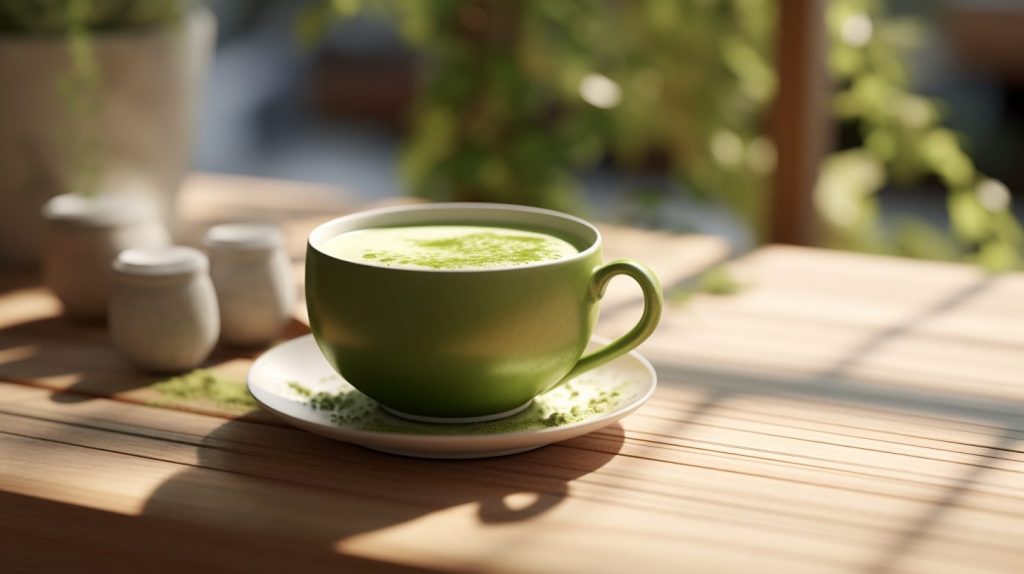
What makes matcha special is the way it’s cultivated and prepared. The tea leaves are carefully shade-grown, which increases their chlorophyll content and gives matcha its vibrant green color. After harvesting, the leaves are stone-ground into a fine powder, which is then whisked with hot water to create a frothy and velvety beverage. Unlike regular steeped tea, with matcha, you consume the whole leaf, allowing you to enjoy all the nutrients and antioxidants it contains. Matcha also provides a gentle and sustained energy boost, thanks to the combination of caffeine and an amino acid called L-theanine.
Caffeine Content: 70mg / 8 oz Source
5. Yerba Mate
Yerba mate is a traditional South American beverage rich in natural caffeine and packed with beneficial compounds such as antioxidants, vitamins, and minerals. The caffeine in yerba mate provides a smooth and sustained energy boost, while the unique blend of phytochemicals supports overall well-being.

It is made from the dried leaves of the yerba mate plant, which is native to regions like Argentina, Paraguay, and Uruguay. What makes yerba mate special is the way it is traditionally prepared and consumed. The leaves are ground into a fine powder and brewed in a gourd using a metal straw called a bombilla. Yerba mate is known for its earthy and herbal flavor, and it contains caffeine, similar to tea and coffee. Like the other healthy caffeine drinks on this list it chocked-full of antioxidants, vitamins, and minerals.
Yerba Mate contains about 80mg of caffeine per cup which is similar to coffee.
Caffeine Content: 85mg / 8 oz Source
The Quick Overview of Caffeine

Let’s first cover a few basics about caffeine before going over the best healthy caffeine drinks. As a psychostimulant, caffeine excites and heightens the activity of our nervous system, resulting in increased alertness and energy levels. That sudden surge of energy you feel after drinking your morning coffee is precisely why so many people rely on it to get started on the day.
Caffeine makes your brain more alert and awake by blocking a molecule called adenosine, which is responsible for making you feel tired. When adenosine is blocked, your brain gets all excited and starts releasing other molecules, like dopamine and adrenaline, which in turn make you feel more awake and energetic.
How Long Does Caffeine Last in Your System?
The effects of caffeine can vary from person to person, but it’s generally accepted that caffeine’s half life is around 5-6 hours. Half life is a term used to describe the amount of time required for a quantity of a given substance to be reduced to half of the original amount.
For example, if you consume an average cup of coffee which typically has 100mg of caffeine, it will take 5-6 hours for the caffeine in your system to be reduced to 50mg. Caffeine works very quickly with peak levels being reached within half and hour to an hour. It works fast and lasts long.
What’s the Maximum Amount of Caffeine I Can Drink?
As with everything, it’s important to consume caffeine in moderation. It’s recommended that you consume no more than 400mg of caffeine per day. This amounts to approximately 4 x 8 oz cups of coffee. Of course there are slight variations depending on the actual coffee bean and how it’s roasted.
There is such thing as too much of a good thing and drinking too much caffeine can and will have negative side effects. These include jitters, feeling wired, heart palpitations, and headaches. Everyone’s physiology is different so it’s critical to listen to your body when it comes to determining whether you’ve had too much caffeine or not.
Related Article: How Much is Too Much Caffeine?
What About Energy Drinks and Soda
Energy drinks and sodas have surged in popularity over the decades due to their ability to provide a quick and invigorating boost of energy, as well as enhanced alertness. Admittedly, they taste “good”. We’ve elected not to include this category of product on this list of healthy caffeine drinks being that energy drinks usually contain a plethora of artificial additives. Our focus is on natural sources of caffeine.
Key Considerations for Healthy Caffeine Drinks
1. Natural Ingredients
As with every consumable, it’s all about the quality of the ingredients. When selecting healthy caffeine drinks, opt for beverages that utilize natural ingredients sourced from organic fruits, botanical extracts, and natural sweeteners. Do everything within your power to avoid drinks that contain artificial additives, high-fructose corn syrup, and excessive caffeine, you can ensure a healthier choice that supports your overall well-being.
2. Balanced Nutritional Profile
A truly healthy caffeine drink goes beyond providing a quick energy boost. It should also contribute to your overall nutritional needs. Look for beverages that offer a balanced profile of essential vitamins, minerals, and electrolytes. These nutrients not only replenish your body’s resources but also help maintain optimal hydration levels, ensuring sustained energy and well-rounded nourishment.
For example, there’s a segment of coffee known as vitamin coffee which infuses your coffee with a variety of natural supplements. Personally, I was initially closed to vitamin coffee out of concern that it would taste funny. However, after testing out a number of brands such as VitaCup, I was pleasantly surprised to discover that the best vitamin coffees taste exactly like regular coffee….and in some cases, better.
3. Low Sugar Content
Excessive sugar consumption can lead to various health issues, including weight gain, diabetes, and dental problems. Prioritize healthy caffeine drinks that have low sugar content or are completely sugar-free. Natural sweeteners such as stevia or monk fruit extract are excellent alternatives to artificial sugars, providing sweetness without the negative health implications.
4. Caffeine Moderation
We mentioned this earlier but it’s worth mentioning again. You must drink caffeine in moderation. As tempting as it may be to use caffeine as a band-aid fix for a lack of sleep or poor overall health, use caffeine responsibly. Excessive caffeine consumption can lead to jitters, an increased heart rate, and sleep disturbances.
Healthiest Caffeine Drinks and Food: Final Thoughts
Choosing healthy caffeine drinks and incorporating natural sources of caffeine into your lifestyle is a powerful way to support your overall well-being and maintain sustained energy levels. By considering factors such as natural ingredients, balanced nutrition, low sugar content, caffeine moderation, and the absence of artificial additives, you can make informed choices that prioritize your health while enjoying the benefits of an energized lifestyle.
Natural sources of caffeine such as coffee, tea, dark chocolate, matcha, and yerba mate are both healthy and effective ways to consume caffeine. These options provide not only an energy boost but also additional health benefits, thanks to their rich antioxidant content and unique nutritional profiles.


Leave a Reply