

Most coffee drinkers are well aware of the distinct differences between coffee and espresso. Espresso differs from coffee in that it’s made by forcing high-pressure water through finely ground coffee. The result is a much stronger, more intense and robust flavor than you might get from brewing coffee in standard fashion. You also get to enjoy that signature foamy layer of crema on top. With that said, are certain coffee beans better for making espresso than others? The answer is a definitive yes. In this article, we’ll explore what the best beans are for making espresso and what makes them so.
If you’re just looking for recommendations on the best coffee beans for espresso brewing, check out our top choices below.

| TOP CHOICE 
| 
|
Best Coffee Beans for Espresso

Fabula Coffee has been a fan-favorite of ours for multiple reasons. It’s a medium dark roasted single origin bean from Colombia. Its subtle prune and brown sugar notes exemplify the characteristics that make beans from this particular region so popular. On top of a rich flavor profile, this espresso bean is also ultra smooth, organic, and low acid. After you taste it, it won’t be hard for you to see why this brew was an easy pick for one of the best coffee beans for espresso lovers.
- Certified Organic, Low-Acid, Single-Origin, Non-GMO
- Roast: Medium Dark
- Source: Colombia
- Flavor Notes: Prune, Brown Sugar, Smooth
- 20% off code: BQ20

Lifeboost Coffee, as its name suggests, is a coffee brand focused on producing the healthiest and purest coffee experience possible. It’s USDA organic, mycotoxin-free, and low acid. Its low acid designation means that it will be gentle on the stomach but strong on the taste buds. The result is a coffee experience that we’ve been truly impressed with. Check out our full Lifeboost review for more details. Their espresso bean, appropriately named Luxuriance, is a medium dark roast single origin bean from Nicaragua that’s the epitome of smoothness, richness, and depth.
- Organic, Low-Acid, 3rd party tested for mycotoxins
- Roast: Medium Dark
- Source: Nicaragua
- Flavor Notes: Smooth, clean, deep flavor, incredible crema
- 20% off code: BESTQUALITY

Intelligentsia is a company that’s been around for over 30 years. As one of the pioneers of the specialty-coffee movement, the company has earned the right to be called an industry leader. Their Black Cat espresso is a testament to this fact. These particular coffee beans are sourced from a variety of farms in Brazil making for a delightfully full, syrupy, and sweet espresso. These beans are honey processed which helps reduce acidity and add more texture and body to the final brew. If you prefer a different flavor profile, check out Intelligentsia’s wide selection of espresso beans.
- Roast: Medium
- Source: Brazil
- Flavor Notes: Chocolate, Molasses, Sweet Syrup with incredible clarity and balance
- Buy 4 coffees get 15% off: BUNDLEUP15
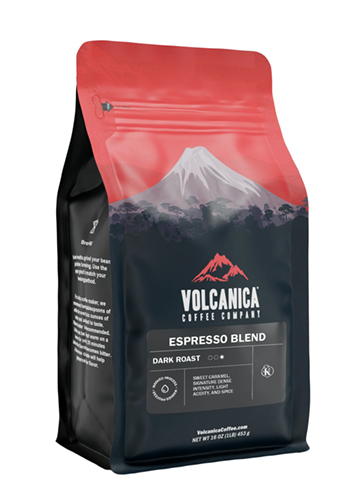
Rounding out our list of the best coffee beans for espresso is an offering from Volcanica Coffee. Their dark roasted brew sources coffee from some of the best coffee growing regions in South and Central America. This intentional blend produces a brew that yields a sweet caramel flavor with deep and dense spices like nutmeg and clove.
This coffee bean is ideal for espresso many reasons. First off, it’s very balanced. Second, it’s acidity is tempered and doesn’t overpower the subtle and natural notes of the bean. Lastly, it’s perfectly dark roasted to a point where the flavors are fully accentuated but not burnt.
- Low Acid
- Roast: Dark
- Source: South American and Central America
- Flavor Notes: Balanced with bright acidity, caramel, cocoa
Understanding Espresso Beans vs. Regular Coffee Beans
So first let’s address the elephant in the room. Is there an actual espresso bean that grows on trees? Technically, no. Espresso beans are simply coffee beans sourced and roasted in a manner that lend themselves to producing good espresso. This fact is illustrated by the aforementioned fine selection of coffee beans for espresso brewing. That being said, let’s jump right into seeing what makes for the best coffee beans for espresso.

1. Bean Variety:
First off, coffee comes in two main varieties: Arabica and Robusta. While both can be used for espresso, Arabica is often preferred for its smoother, sweeter, and more delicate flavors. Typically, the best coffee beans for espresso will be of the Arabica variety. This statement holds true for coffee as well. Robusta, on the other hand, is known for its bold, sometimes bitter taste, and is commonly used in espresso blends to add extra kick. This variety also has twice as much caffeine as Arabica.
Related article: Learn the difference between Arabica and Robusta coffee beans
2. Roast Level:
Espresso beans are typically roasted to a medium or dark roast level. This intense roasting brings out rich, caramelized sugars within the beans, giving espresso its distinct flavor profile. Light roast espresso beans are more uncommon as they produce the most acidic brew. Many espresso lovers favor the robust, smooth, yet strong flavor profile that’s typical of a dark roast.
3. Grinding Consistency:
Espresso requires a fine and consistent grind size to extract its flavors properly. Brewing a espresso is all about physics and the grind size is an especially important variable in the brew process. Espresso machines demand precision, which is why espresso beans are ground to a finer consistency compared to beans used for drip or French press coffee. When hot water is forced through these fine grounds at high pressures, a resulting layer of crema is also produced.

4. Brewing Method:
Espresso is brewed differently from regular coffee. As just mentioned, the high-pressure extraction process used in espresso machines forces hot water through compacted coffee grounds, resulting in a concentrated shot with a layer of crema on top. This unique brewing method requires beans that can withstand the pressure and deliver a rich, intense taste. Espresso machines come in many different shapes and sizes. From fancy Jura espresso machines that carry a price tag comparable to a used car to manual brewers that are cost efficient, there are many options to choose from.
Related Article: Tips for buying a refurbished espresso machine
Single Origin Espresso Beans or Blends?
Another major factor in determining the best coffee beans for espresso is whether it’s a single origin or a blend. Single origin simply means that the beans are all grown from a specific geographical region. The result is a batch of beans that’s consistent in quality yielding a flavor profile that solely reflects the characteristics of the specific bean. Blends, on the other hand, can be sourced from many different countries. While there are certainly many high quality espresso blends on the market, blends nonetheless have a reputation for mixing beans of varying degrees of quality.

Two major exceptions to this rule is an espresso blend produced by Intelligentsia Coffee and Volcanica Coffee.
1. Origin Matters:
Single-origin espresso beans are sourced from a specific region or even a single farm. This precise sourcing allows for a deeper connection to the coffee’s origin while delivering a unique flavor profile.
2. Unique Flavors:
Each region imparts distinct flavors to the beans, influenced by factors like altitude, climate, and soil composition. For example, beans from Ethiopia might offer fruity and floral notes, while those from Brazil may boast nutty and chocolatey undertones. These unique flavors are a testament to the terroir of the coffee, just like wine. As such, in our opinion, the best coffee beans for espresso will be single origin in nature.
3. Ethical Sourcing:
Single-origin coffee often comes with a commitment to ethical and sustainable practices. Being that all of the beans are sourced from a single farm or geographic region, it’s much easier to maintain full transparency within a given coffee’s supply chain. When you choose these beans, you’re not only indulging your taste buds but also supporting farmers and communities dedicated to preserving the environment and improving livelihoods.
4. Freshness and Quality:
Single-origin espresso beans are typically roasted in smaller batches, ensuring freshness and quality. Fresher beans mean a more vibrant and aromatic espresso. Their limited production also means that the beans are meticulously cared for, resulting in a superior product. Whenever purchasing espresso beans, or any coffee bean for that matter, always be sure you check the roast date.
I’d suggest buying espresso beans that are roasted to order and aren’t sitting around in some storehouse for months at a time waiting to be shipped.
The History of Espresso
The history of espresso is a rich and aromatic journey that began in Italy during the late 19th century. Espresso, which means “pressed out” in Italian, was born out of a desire for a quicker and more concentrated coffee experience.
Related Article: Is it Expresso or Espresso?

In 1884, Angelo Moriondo, an Italian inventor, patented the first espresso machine. However, it was Luigi Bezzera, in 1901, who improved upon Moriondo’s design by creating a machine that forced hot water through coffee grounds at high pressure, resulting in a faster extraction process. This innovation laid the foundation for the modern espresso we know today.
Espresso gained popularity in Italian cafes, becoming a symbol of Italian coffee culture. In the 1930s, the iconic lever-operated espresso machine was introduced, allowing baristas to control the brewing process with precision. Illy, an espresso company that’s grown into one of the most renown espresso brands, is often credited with inventing the modern day espresso.
The post-World War II era saw the spread of espresso culture worldwide, with the first espresso machine reaching the United States in the 1940s. The 1950s brought espresso to the forefront of worldwide coffee culture, and iconic espresso machines like the Gaggia and La Pavoni became household names.
Today, espresso is a beloved beverage enjoyed worldwide, with various brewing methods and flavors, but its roots in Italy and its rich history remain at the heart of this cherished coffee tradition.
Choosing the Perfect Single-Origin Espresso Bean
In many ways, choosing the best espresso beans isn’t unlike choosing your favorite coffee beans.
1. Explore Different Origins:
Don’t be afraid to explore beans from various regions. Experimenting with different origins will help you discover your personal preferences and expand your coffee horizons.
2. Seek Recommendations:
Ask your local barista or coffee enthusiast friends for recommendations. They might have insights into the latest single-origin offerings or hidden gems.
3. Read Labels:
Check the packaging for information on the bean’s origin, roast level, and flavor notes. This will guide you in making an informed choice. If possible, try and buy organic espresso beans.
4. Freshness Matters:
Look for beans with a roast date. Fresher is always better, so choose beans that have been recently roasted.
5. Support Ethical Practices:
Consider buying beans from brands that prioritize ethical sourcing and sustainable practices. Your coffee can make a positive impact on the world.
Best Beans for Espresso: Final Thoughts
As you can see, there’s nothing inherently magical about espresso beans. They are just coffee beans that selected for specific characteristics that help produce a excellent espresso with that divine thick layer of crema.
While we at Best Quality Coffee tend to favor the single origin espresso bean, there are still many of excellent espresso blends out there. Don’t hesitate to expand your horizons and explore both types. I’ve found that the nuanced flavors of a single origin espresso bean hit my palate best. Aim for a medium to dark roast so that there’s minimal acidity in your final brew. Lastly, choose a bean that is explicit labeled for espresso.


Leave a Reply